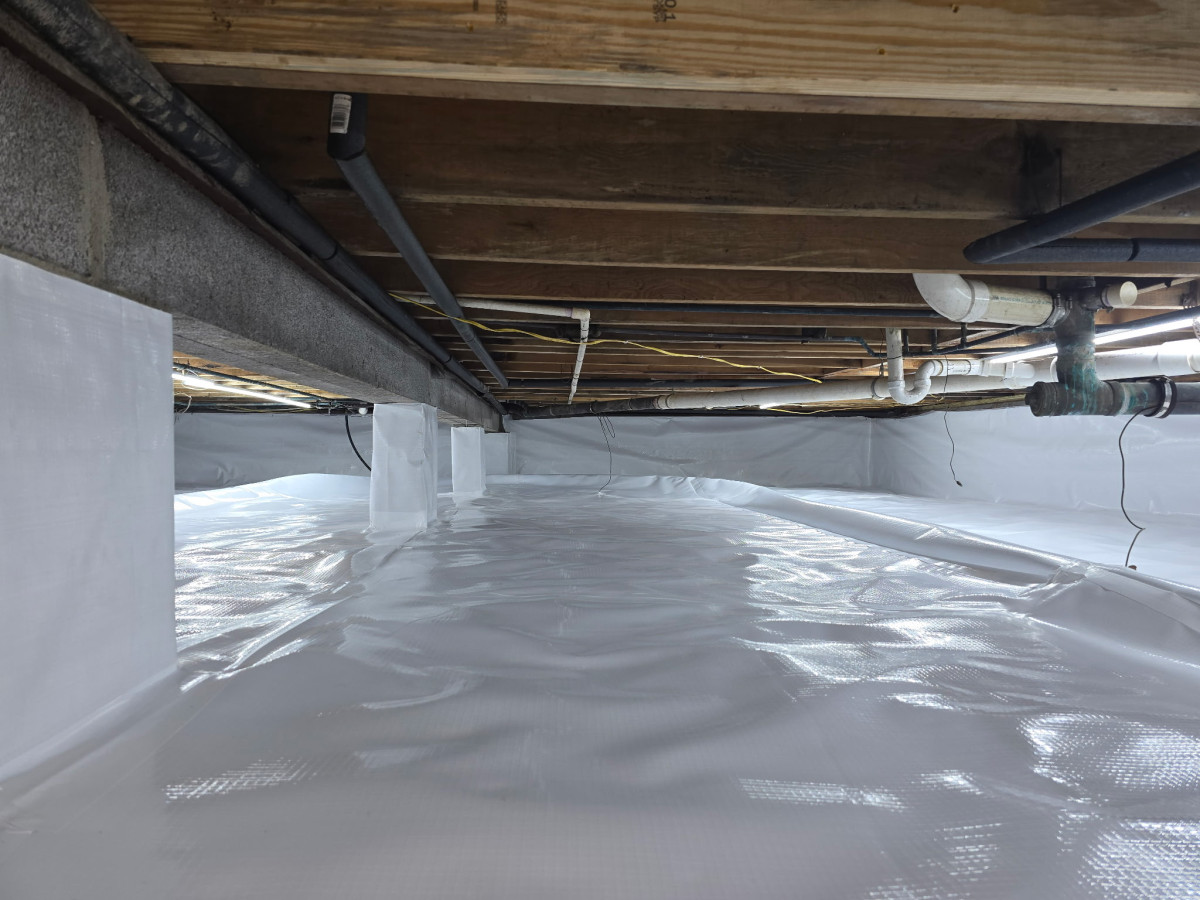
Ever noticed a musty smell in your home or inexplicably high energy bills? Your crawl space might be the culprit. Crawl space encapsulation is a technique that could solve these issues, and more, by sealing off your crawl space from external elements. This isn’t just about improving your living conditions, it’s about safeguarding the very foundation of your home. Intrigued? Let’s explore this further to understand how it works and why it’s vital for you.
Key Takeaways
- Crawl space encapsulation is a process that seals crawl spaces with a heavy-duty polyethylene vapor barrier, preventing external elements from entering.
- The encapsulation process can mitigate issues like dampness, pests, and mold, enhancing the overall health and comfort of homes.
- Regular maintenance of crawl spaces is crucial as neglected ones can lead to water damage, mold growth, and structural damage due to wood rot.
- Benefits of encapsulation include improved indoor air quality, increased energy efficiency, prevention of costly repairs, and enhanced property value.
- The cost and time for encapsulation vary, but the long-term benefits, such as preserved structural integrity and significant savings on utility costs, make it a worthwhile investment.
Understanding Crawl Space Encapsulation
 Ever wondered what crawl space encapsulation is? Well, you’re about to find out. Crawl space encapsulation is a process that seals off your crawl space from the outside elements. Think of it as putting your crawl space in a protective bubble. It’s a method used to solve dampness, pests, and mold problems in your home.
First, a heavy-duty polyethylene barrier is installed to cover the floor and walls of your crawl space. This barrier, or vapor barrier, is designed to keep out moisture that can lead to mold growth and structural damage.
But you’re not just putting a barrier on the floor and walls, you’re making sure it’s securely attached and sealed, covering every inch of the ground and extending up the walls to the sill plate.
Next, all vents to the outside are sealed off. This is vital because these vents can let in outside air that can be humid, cold, or hot depending on the season. This air can lead to condensation, which in turn can cause mold growth and wood rot.
The Importance of Crawl Spaces
Crawl spaces, those unseen spaces beneath your home, hold more significance than you might think. They’re like the lungs of your house, letting it breathe. Good airflow prevents moisture build-up, staving off mold and rot that can damage your home’s structure and your health.
But crawl spaces aren’t just about ventilation. They also provide access for home maintenance. Need to install new plumbing or electrical wiring? Your crawl space is the go-to place. It’s an unsung hero, accommodating these essential services without disrupting your living space.
What’s more, a well-maintained crawl space can boost your home’s energy efficiency. It acts as a barrier between the ground and your home, helping to regulate temperature. In the winter, it keeps the cold out. In the summer, it helps your home stay cool. This isn’t just about comfort—it can save you money on your energy bills.
Yet, despite their significance, crawl spaces are often neglected. Left unattended, they can become a breeding ground for pests and a source of odors.
That’s why understanding and maintaining your crawl space is vital. It’s not just about the health of your home—it’s about your health, too.
How Encapsulation Works
You might be wondering how encapsulation actually works.
It’s more than just benefits for your home’s health, but also about understanding the process and choosing the right materials.
Let’s get started on these important aspects.
Benefits of Encapsulation
Transforming your damp and dank crawl space into a dry and clean area might seem like an intimidating task, but encapsulation can make it a reality.
Encapsulation offers numerous benefits that make it worth the effort.
First off, it improves your home’s air quality. With a sealed crawl space, you’re preventing the growth of mold, mildew, and fungi, which can lead to poor air quality and potential health hazards.
Encapsulation blocks these issues right at the source.
Secondly, it increases your home’s energy efficiency. By sealing off your crawl space, you’re reducing the amount of cold air entering your home in the winter and warm air in the summer.
This means your HVAC system won’t have to work as hard to maintain a comfortable temperature, saving you money on your energy bills.
The Encapsulation Process
Let’s dive straight into the nuts and bolts of crawl space encapsulation. The process begins with a thorough inspection and cleaning of your crawl space. You’ll need to remove any debris, standing water, and pests. It’s necessary to guarantee this area is as clean as can be to prevent future complications.
Next, you’ll deal with any existing moisture concerns. This might mean installing a dehumidifier or sump pump, depending on your specific needs. You want to guarantee your crawl space is dry before moving on.
Finally, comes the actual encapsulation. This involves sealing off your crawl space with a vapor barrier to prevent moisture intrusion. The barrier is typically a heavy-duty polyethylene cover that’s secured to the foundation walls.
To help visualize the process, here’s a brief table:
| Step | Description | Emotion |
|---|---|---|
| 1 | Cleaning | Relief |
| 2 | Moisture Control | Anticipation |
| 3 | Encapsulation | Satisfaction |
Going through this process can feel empowering. You’re taking control of your home’s health, improving its energy efficiency, and potentially preventing costly repairs down the line. You’re not just maintaining your home; you’re improving it. Isn’t that a great feeling?
Choosing Encapsulation Materials
Having tackled the process of encapsulation, it’s time to pick the right materials to get the job done.
You’ll need a high-quality vapor barrier, insulation, and a dehumidifier.
The vapor barrier is key in preventing moisture from seeping into your crawl space. It should be at least 20 mil thick, puncture-resistant, and made of a polyethylene material. Cheaper options might be tempting but won’t provide the protection you need in the long run.
Next is insulation. This isn’t just to keep the house warm, but also to prevent condensation, which can lead to mold growth. Closed-cell spray foam insulation is a great choice as it both insulates and seals off air leaks. It’s a bit more expensive, but its effectiveness makes it worth the investment.
The Benefits of Encapsulation
You’re probably wondering, “What’s in it for me?” when it comes to crawl space encapsulation.
Well, there are two key benefits that’ll make you want to contemplate this for your home.
It can boost your home’s energy efficiency and help to prevent any nasty moisture damage.
Enhancing Home Energy Efficiency
Through the lens of energy efficiency, crawl space encapsulation offers remarkable benefits. You see, this process creates a barrier between your home and the earth, reducing the transfer of heat.
It’s like wrapping your home in a cozy blanket that keeps the warmth inside during winter and the heat outside during summer.
What’s more, encapsulation can lower your energy bills. Here’s how:
- By reducing the workload on your HVAC system: When your crawl space is well-insulated, your HVAC system doesn’t have to work as hard to maintain comfortable temperatures. This means less energy consumption and lower utility bills.
- By preventing cold drafts: An encapsulated crawl space can stop cold air from entering your home, keeping your living spaces warmer in winter and cooler in summer.
- By maintaining consistent indoor temperatures: With encapsulation, your home’s temperature stays more constant. This eliminates the need for constant thermostat adjustments, saving energy and money.
Preventing Moisture Damage
While the energy efficiency benefits of crawl space encapsulation are indeed impressive, it doesn’t stop there.
Encapsulation goes a long way in preventing moisture damage, another significant threat to your home’s health and safety.
You see, damp crawl spaces can breed mildew, mold, and fungi, leading to structural damage.
Moisture can rot your wooden beams, rust your metal fixtures, and even attract pests.
It’s a ticking time bomb that you’d prefer not to have under your house.
But here’s where crawl space encapsulation steps in.
By sealing off the area from the earth, encapsulation creates a moisture barrier.
It stops water from seeping into your crawl space, eliminating the risk of dampness and its accompanying problems.
It’s like giving your home a waterproof coat, keeping it safe and dry regardless of the weather outside.
Potential Crawl Space Issues
Many homeowners often underestimate the issues that can arise in a crawl space. You might think it’s just an unimportant area under your house, but in truth, it’s a potential breeding ground for a host of problems that could affect your health and your home’s structure.
Here’s the deal: if you leave your crawl space unattended, it can lead to moisture buildup. This isn’t just about a little dampness; we’re talking serious water damage that can rot your home’s wooden elements and attract harmful pests.
And you know what? It doesn’t stop there. Poorly maintained crawl spaces can also lead to inefficient heating or cooling in your home.
Consider these potential issues:
- Mold and Mildew Growth: This can lead to serious health issues, especially if you have respiratory problems.
- Structural Damage: Moisture can cause wood to rot, ruining your home’s foundation and structure.
- Pest Infestations: Damp, dark places are perfect habitats for pests like termites, mice, and rats.
It’s vital that you don’t ignore these potential crawl space issues. Remember, prevention is always better than cure.
Encapsulation vs. Traditional Methods
You might be wondering why you should consider encapsulation over traditional methods for your crawl space.
Well, it’s time to weigh the benefits of encapsulation against the limitations of more traditional methods.
Understanding Encapsulation Benefits
In the world of home maintenance, encapsulation is a game changer. It’s a method far superior to traditional methods and there are several reasons why you need to contemplate it for your crawl space.
Firstly, encapsulation creates a barrier between your home and the damp earth, effectively reducing moisture in your crawl space. This can have a significant impact on the overall health of your home.
With less moisture, you’ll see a decrease in mold, mildew, and rot, all of which can cause serious structural damage over time.
Secondly, encapsulation can lead to energy savings. By sealing off your crawl space, you’re preventing cool air from escaping in the summer and warm air from escaping in the winter. This makes your home more energy efficient and can result in lower utility bills.
Some notable benefits of encapsulation include:
- Improved air quality in your home
- Increased longevity of your home’s structure
- Enhanced energy efficiency
Encapsulation is truly a wise investment. It’s a preventive measure that can save you a lot of money and hassle in the long run.
Limitations of Traditional Methods
 Traditional methods of crawl space maintenance can’t hold a candle to encapsulation. You might find yourself constantly battling with issues like mold, mildew, and insect infestations. The reason? Traditional methods just aren’t designed to effectively combat these problems.
Let’s take venting, for example. You’d think it would help keep your crawl space dry, right? Wrong. It often does more harm than good, introducing moist air that encourages mold growth and wood rot.
And those insulation batts you installed? They can absorb moisture like a sponge, leading to the same issues.
Then there’s the problem of energy efficiency. Without a proper barrier, your crawl space can make your home lose heat in the winter and gain it in the summer, hiking up your energy bills.
Pest control is another headache. Traditional methods do little to keep pests at bay, leaving your home vulnerable to damage.
In contrast, encapsulation offers a more holistic, long-term solution. It helps control humidity, enhances energy efficiency, and wards off pests.
Long-Term Effects on Your Home
Encapsulating your crawl space isn’t just a temporary fix; it’s an investment into your home’s long-term health. This procedure prevents moisture and pests from infiltrating your home—both of which can cause serious damage over time.
But beyond these immediate benefits, let’s explore the longer-term effects on your property.
- Energy Efficiency: With a sealed crawl space, your home’s HVAC system doesn’t have to work as hard. This means lower energy consumption and, consequently, lower utility bills.
- Structural Integrity: Over time, moisture can deteriorate your home’s foundation. By encapsulating your crawl space, you’re safeguarding the structural integrity of your property.
- Property Value: A well-maintained home fetches a higher price on the market. If you decide to sell, the investment you made in crawl space encapsulation can translate to a higher property value.
In short, crawl space encapsulation gives your home a protective shield, one that helps maintain its structural integrity, boosts energy efficiency, and ultimately, enhances its resale value.
It’s a smart move that pays dividends in the long run. Just remember, it’s more than just a quick fix—it’s a commitment to your home’s longevity.
Cost and Time Investment
While crawl space encapsulation certainly adds value to your home and enhances its longevity, it’s also important to take into account the financial and time investment involved.
The final cost can vary greatly depending on the size of your crawl space and the level of remediation needed. A simple encapsulation job might cost a couple of thousand dollars, but if there are serious dampness or mold issues, you could be looking at a much higher price tag.
In terms of time, the process can take anywhere from a few days to a week or more. This depends on factors such as the complexity of the job and the condition of your crawl space.
Remember, it’s not just about the actual encapsulation; there’s also the time needed for any necessary cleanup, drying out, and mold remediation before encapsulation can even begin.
Investing in crawl space encapsulation isn’t just about money. It’s also about dedicating the time to get the job done right.
However, remember that this investment can save you significant costs in the long run, prevent structural damage, and improve your home’s overall health.
Hiring Professional Encapsulators
To get the job done right, you might consider hiring professional encapsulators for your crawl space project.
It’s not just about knowing how to do it, but also about having the right tools and experience. Plus, professionals can spot potential issues that you might overlook, saving you from future headaches.
When hiring professionals, it’s crucial to do your due diligence. Don’t just choose the first company you come across. Instead, take time to research and compare.
Here are some factors you should consider:
- Reputation: Check online reviews or ask for references. You want a company with a track record of quality work.
- License and Insurance: Confirm they’re licensed and insured. This protects you if something goes wrong during the project.
- Cost: Get quotes from multiple companies. But remember, the cheapest isn’t always the best. Quality should always come first.