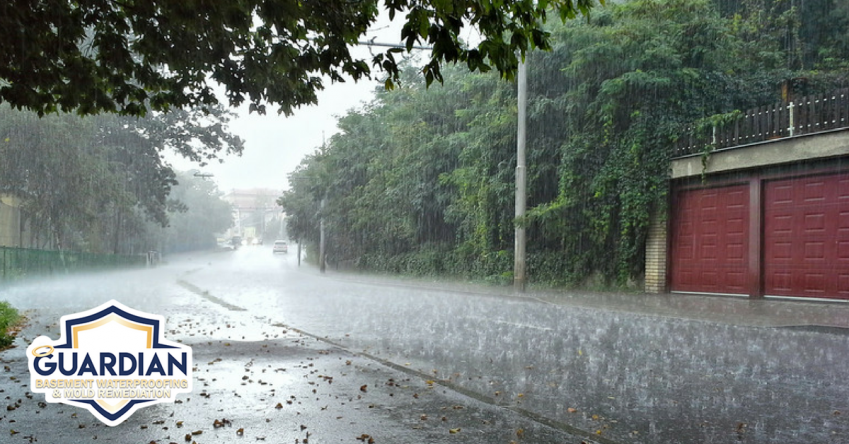
You’ve probably experienced that sinking feeling when you find water in your basement after a heavy rain. It’s a common issue, but one that can be prevented with a little foresight and effort. Before the rain season hits, it’s essential to waterproof your basement to protect it from potential damage. This involves checking for moisture, sealing cracks, and installing equipment like sump pumps. But how do you know which method is the most effective for your specific situation? Well, let’s explore this together, shall we?
Key Takeaways
- Start by assessing the vulnerability of your basement to flooding, focusing on signs of moisture and cracks.
- Choose a waterproofing method that suits your needs and budget, such as waterproof paint, interior drainage, or exterior waterproofing.
- Prepare your basement by cleaning thoroughly and ensuring gutters and downspouts are directing water away from your home.
- Follow a step-by-step waterproofing process, including applying sealant, installing a sump pump, and adding a vapor barrier.
- Maintain your waterproofed basement by conducting regular inspections and monitoring humidity levels.
Assessing Your Basement’s Vulnerability

Nearly every homeowner’s nightmare is a flooded basement. Not only can it cause significant damage to your personal belongings, but it can also lead to structural issues that could cost you thousands of dollars to fix.
That’s why it’s essential to assess your basement’s vulnerability to flooding and moisture.
Start by checking your basement’s walls and floor for any signs of moisture. You might notice damp spots, discoloration, or the distinct smell of mold. If you’re seeing any of these signs, it’s clear your basement is prone to water seepage.
Next, consider your home’s location. If you’re situated in a low-lying area or have a slope that directs water towards your home, it’s likely your basement is at risk.
Don’t forget about weather patterns. If your region experiences heavy rainfall or quick snow melts, your basement may be susceptible to flooding.
Lastly, keep an eye out for cracks in your basement walls or floor. They’re a telltale sign that water could easily enter your basement.
Choosing the Right Waterproofing Method
Waterproofing your basement is no small task, and choosing the right method is essential. This choice often depends on your specific needs and the current condition of your basement.
You’ve got several options to evaluate and your choice will have long-lasting impacts on your home’s integrity.
One common method is the use of waterproofing paint. This is a quick and cost-effective solution that’s ideal if you’re dealing with minimal moisture issues.
You’ll simply paint this product on your basement walls to create a barrier against moisture.
If you’re faced with more severe water problems, you might want to think about interior water drainage. This involves installing a drainage system inside your basement to redirect water away from your foundation.
It’s a more involved method, but it can handle serious water issues.
Finally, for the most thorough solution, you could opt for exterior waterproofing. This method involves excavating around your home to install a waterproof membrane on your foundation walls.
It’s the most effective option, but it’s also the most expensive.
Preparing Your Basement for Waterproofing
Before diving into the waterproofing process, proper preparation of your basement is essential. It’s much like setting the stage before a big performance. By taking the time to prepare, you’re ensuring a smoother, more successful waterproofing project.
First, you’ll need to clear out your basement. Remove all items, furniture, and clutter. You’ll want to create a clean, open space that allows for easy movement and access to all areas. This isn’t only practical, but also vital for safety reasons.
Next, inspect your basement for any visible cracks or leaks. These trouble spots will need special attention during the waterproofing process. Mark them with chalk or masking tape so they won’t be overlooked.
Cleaning is another key step. Dust, dirt, and mold can interfere with the effectiveness of the waterproofing products. So, scrub down your walls and floors thoroughly. You might also need to deal with any mold or mildew you find, since these can cause health issues if left untreated.
Lastly, be sure to check your gutters and downspouts. They should be clean and point away from your home’s foundation to prevent water from seeping into your basement.
A little preparation now can save you a lot of hassle later.
Step-by-Step Waterproofing Process
Every homeowner’s nightmare, a wet basement, can be prevented with a well-executed waterproofing process.
Here’s a step-by-step guide to help you do just that.
Start by applying a concrete sealant. It’s widely available in most hardware stores. This sealant will create a waterproof barrier on your basement walls. Use a paint roller for an even application and let it dry.
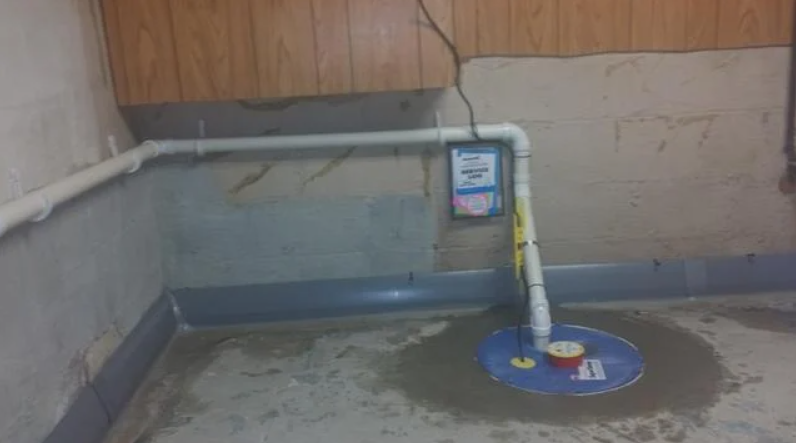
Next, you’ll want to install a sump pump. If you don’t have one, get a professional to do it. This device will collect and expel any water that manages to get inside.
Your third step is to put in a vapor barrier. This plastic or foil sheet will prevent moisture from seeping through your walls and floor. Attach it to your walls using a construction adhesive.
Lastly, consider installing a dehumidifier. While it won’t prevent water infiltration, it’ll help control the moisture level in your basement, making it less inviting for mold and mildew.
Maintaining Your Waterproofed Basement
Now that your basement is waterproofed, it’s important to keep it that way with regular maintenance.
You’ve put considerable effort and investment into protecting this space from water damage, and you don’t want to waste it all by neglecting the upkeep.
- Inspect Regularly: At least once a month, examine your basement for any signs of water leakage.
Look for wet spots, mold growth, or crumbling concrete. Small issues can quickly become big problems if they’re not addressed promptly.
- Clean Your Gutters: If your gutters are blocked, rainwater can overflow and seep into your basement.
Make it a habit to clean them out especially before the heavy rain season starts.
- Test Your Sump Pump: Your sump pump is what keeps water from pooling in your basement.
Test it regularly to verify it’s working properly. Pour some water into the sump pit and see if the pump drains it away.
So, you’ve learned how to safeguard your basement from the heavy rain season. By evaluating your basement’s vulnerabilities, choosing the right waterproofing method, and diligently preparing and waterproofing your basement, you’re one step ahead of potential water damage. Don’t forget the importance of regular maintenance to keep your basement dry. With these steps, you’ll enjoy a dry, cozy basement regardless of what the weather outside is doing. You’ve got this!