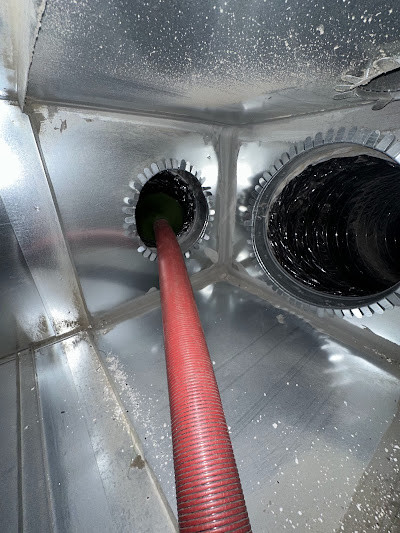
Back in September, a string of mild asthma cases at a Richardson elementary school raised an eyebrow — then several. No mold in the classrooms, no visible leaks, but a consistent pattern: kids were coughing more after lunch breaks. That’s when staff called in an HVAC technician, who traced the issue to a clogged air duct system built in the early 90s. Dallas homes and commercial spaces aren’t new to air quality issues, but in 2025, what’s changed is how they’re reacting.
This isn’t a sales pitch — it’s a shift. The information and insight shared in this release were provided by Elite American Home Services, based on firsthand experience working in residential and light commercial properties across North Texas. Their technicians have seen how indoor pollutants have spiked post-summer, especially in homes with older systems.
It’s no longer just about cleaning — it’s about doing it smarter.. Dallas families aren’t just looking for fresher air, they’re looking for long-term air circulation solutions. And that’s exactly where air duct cleaning Dallas services are gaining traction.
Outline
Introduction: Families Across Dallas Reevaluate Indoor Air Quality Needs
Health Concerns Rise With Poor Ventilation In Older Dallas Homes
How Smart Sensors Are Revolutionizing Air Filtration And Efficiency
Winter Weather Triggers Surge In Indoor Allergen And Dust Levels
Energy Bills Drop With Timely Air Duct Cleaning Dallas Services
Commercial Spaces Adopting Smart Cleaning Tech For Safer Work Environments
Wildfire Smoke Residue Detected In Residential Systems Across North Texas
Summary: Protect Your Health And Comfort With Smarter Cleaning Solutions

Health Concerns Rise With Poor Ventilation In Older Dallas Homes
Many of the single-family homes built between 1975 and 2000 in areas like Lake Highlands, Oak Cliff, and Irving were designed with minimal duct insulation and often have narrow return vents. These systems, though functional at the time, weren’t built to handle the extended seasonal use they now experience due to Dallas’ rising humidity levels and year-round HVAC operation.
One of the lesser-known issues tied to older ductwork is the accumulation of biological contaminants like pet dander, skin flakes, and mold spores that thrive in dusty, humid vents. The EPA has cited that indoor air can be up to 2 to 5 times more polluted than outdoor air, and in homes with pets or poor filtration, that number can climb even higher. Homeowners often don’t realize their HVAC system is acting as a recycling system for allergens.
According to technician field reports from mid-2024, approximately 63% of duct systems inspected in Dallas lacked proper sealing at duct joints. This doesn’t just let air escape — it also pulls in dust and insulation fibers from attics and wall cavities, circulating them indoors.
Residents have also reported:
Increased allergy symptoms after running heat for more than 30 minutes
Black dust around supply vents, often mistaken for soot
Elevated indoor humidity, even with the AC running properly
A proper duct cleaning typically removes up to 6 pounds of dust and debris from an average Dallas-area home. But smart cleaning systems now go beyond that — using real-time airflow sensors and particle counters, technicians can identify hotspots within the system that trap allergens. These technologies are especially helpful in split-level homes or properties with room additions that may have uneven air distribution.
Another challenge with older homes is their duct insulation materials. Homes built before 1990 may still have internal fiberglass lining that breaks down over time, releasing fibers into airflow. This not only reduces efficiency but contributes to respiratory irritation.
Pro Tip from the Field:
Technicians recommend installing high-MERV filters after professional cleaning. MERV 13 filters are ideal for trapping pollen, smoke particles, and bacteria, but they can strain an unclean system, reducing airflow. Clean ducts first, then upgrade filters.
Poorly maintained ductwork in older homes doesn’t just affect comfort—it quietly impacts your family’s health. When symptoms like sinus pressure, dry coughing, or fatigue occur regularly indoors, the air itself could be the culprit.
How Smart Sensors Are Revolutionizing Air Filtration And Efficiency
Traditional air duct cleaning methods often rely on static timelines — every 3 to 5 years, depending on who you ask. But smart systems are changing the game by providing real-time insights into the cleanliness and efficiency of air ducts. The most advanced setups use differential pressure sensors, air particle counters, and airflow monitors that feed data to a central hub. These readings help pinpoint problem areas without having to dismantle large sections of ductwork.
In areas like Uptown and Highland Park, new builds and remodels are often fitted with smart HVAC systems that include:
CO2 monitors to gauge occupancy-related air needs
VOC detectors that track off-gassing from furniture and finishes
AI-enabled thermostats that auto-adjust circulation based on air purity
Below is a comparison table of traditional vs. smart air duct monitoring systems:
Feature | Traditional Systems | Smart Sensor Systems |
Cleaning Schedule | Fixed interval (3-5 years) | Triggered by sensor feedback |
Detection Method | Manual inspection | Real-time digital monitoring |
Dust/Allergen Tracking | Visual or guesswork | Measured in micrograms |
Response Time to Issues | Days to weeks | Immediate alerts |
Installation Cost | Lower | Higher initial, lower upkeep |
Most newer sensor systems can also notify homeowners via smartphone apps when pressure drops suggest clogged vents or filter issues. These aren’t just fancy add-ons — they’re becoming standard in homes built post-2021, especially in North Texas areas prone to poor air quality days.
Technicians have noted a 17% energy efficiency improvement in systems monitored by sensors versus those maintained on a static schedule. That translates to better airflow, fewer service calls, and healthier indoor air.
In commercial settings — especially in East Dallas strip malls and office units — smart systems are now paired with UV-C sanitizers inside ducts. These reduce mold colonies by over 98% within 72 hours, especially useful in units with high turnover.
The real advantage, though, is how these systems handle irregular use. For example, in homes with guests visiting for the holidays, increased occupancy spikes carbon dioxide levels. Smart systems adapt by increasing fan speed and cleaning cycles automatically, maintaining a healthy environment without user input.
Winter Weather Triggers Surge In Indoor Allergen And Dust Levels
By late November, Dallas homes begin to seal shut. Windows stay closed, ceiling fans switch direction, and heating systems kick in—bringing months of undisturbed dust back into circulation. Between Thanksgiving and New Year’s, technicians across Mesquite, Plano, and Carrollton report a sharp spike in duct-related service calls.
Here’s why winter in Dallas presents unique air duct challenges:
Dry Indoor Air: As outdoor humidity drops below 30%, indoor air becomes dry, causing dust to linger longer in the air.
Heater Activation: Many HVAC systems go unused for months. When heaters are fired up in November, they often burn off dust from unused duct linings, releasing it into rooms.
Holiday Activity: Cooking fumes, candles, fireplaces, and increased guest activity all contribute to rising pollutant levels.
A 2023 local indoor air quality survey showed that dust and particulate levels inside Dallas homes increase by up to 42% in the first 10 days of heater use. That’s not just dirt—it’s a mix of:
Skin flakes
Pet fur
Fabric fibers
Dust mite droppings
Insulation particles from ducts
Technicians report that homes with unsealed duct joints show a 20% higher rate of pollutant buildup compared to homes where the duct system is pressure tested and sealed post-cleaning. These homes are also more likely to have uneven airflow, causing some rooms to overheat while others stay cold — a common issue in duplexes and older ranch-style homes.
Cold-Season Tip:
Use electrostatic vent filters during high-use months. These filters catch fine debris without restricting airflow and are washable, making them cost-effective.
Humidity also plays a sneaky role. In homes where indoor humidity falls below 25%, dust becomes lighter and stays suspended longer. That’s why winter air often feels stuffy or stale — you’re breathing in recycled, dry debris.
Energy Bills Drop With Timely Air Duct Cleaning Dallas Services
When utility costs rise across Texas, one of the first places technicians look isn’t the thermostat — it’s the ductwork. Dirty or obstructed ducts force HVAC systems to run longer and harder just to maintain target temperatures, especially in two-story homes or properties with older trunk and branch layouts common in areas like Garland, Duncanville, and South Dallas.
During winter 2024 inspections, reports showed that systems with moderate duct blockages consumed up to 22% more energy on average compared to those recently cleaned. That gap widened during cold snaps where heating demand spiked — often catching homeowners off guard when January energy bills arrived.
Modern air duct systems rely on efficient airflow to maintain even temperatures across living spaces. But that airflow breaks down when:
Pet hair clogs flex ducts, especially in long runs
Construction debris from past renovations settles in supply lines
Excess dust causes blower motor strain and poor circulation
One of the subtle signs of duct inefficiency is temperature fluctuation between rooms, despite similar square footage. Homeowners often assume this is a thermostat issue, but it's usually a result of uneven static pressure in the ducts.
In multi-zoned HVAC systems, which are now common in homes larger than 2,000 sq. ft., dirty dampers can also restrict airflow — causing upstairs units to work harder and triggering emergency heat mode more frequently. Emergency heat mode consumes significantly more power, especially in electric systems.
Technicians have shared real-world examples, such as:
A Frisco home where blocked ducts behind a kitchen remodel led to a 14°F difference between upstairs and downstairs rooms.
A Rowlett homeowner who noticed a sharp energy spike after a roof replacement — roofing dust had fallen into unsealed attic ducts, clogging a major return line.
To maintain system efficiency and extend the life of HVAC components, technicians recommend pressure balancing after every major duct cleaning. This process includes airflow measurement at each vent, followed by manual damper adjustment to optimize performance.
Commercial Spaces Adopting Smart Cleaning Tech For Safer Work Environments
Dallas’ growing commercial real estate — especially along the I-635 corridor and into Addison and Richardson — has been steadily integrating air quality as a core aspect of workplace safety. Shared office buildings, fitness studios, and retail complexes now recognize that HVAC performance directly affects employee wellness, productivity, and even retention.
Building managers who previously focused on filter changes and annual checkups are now shifting toward smart, ongoing air monitoring. These systems offer a clearer picture of what occupants breathe, and allow for real-time intervention when thresholds are crossed.
Among the most adopted tech upgrades:
Laser particle sensors that alert maintenance teams when airborne dust exceeds OSHA-recommended levels
Duct-mounted VOC detectors that track harmful compounds from office equipment, cleaners, and carpeting
Automated damper controls that adjust ventilation based on real-time occupancy
Many of these tools are being installed in properties managed by national brands, but also in locally-owned buildings looking to reduce liability and improve indoor air metrics. For instance, a co-working space in Deep Ellum saw a 42% drop in reported sinus issues among users after implementing weekly duct monitoring and targeted cleaning.
Cleaning frequency varies by use:
Medical offices: every 6–12 months
Gyms and spas: every 3–6 months
Shared office spaces: annually, with quarterly filter changes
Restaurants: every 3–4 months, due to grease buildup in return air
Smart tech isn’t just helping identify when to clean — it’s changing how commercial spaces are designed. Ductwork is being rerouted to avoid high-pollution areas, like busy kitchens or printer rooms. And brands like Trane and Carrier are now producing commercial HVAC units with built-in UV disinfection and self-cleaning coils, reducing long-term biofilm buildup.
Some benefits reported by Dallas commercial clients post-cleaning include:
Fewer sick days during flu season
Improved tenant satisfaction in mixed-use buildings
Lower HVAC repair frequency due to clean system loads
In short, smarter cleaning and smarter tracking are changing the landscape for commercial HVAC maintenance. It's no longer reactive — it's part of a proactive, health-first operational model.
Wildfire Smoke Residue Detected In Residential Systems Across North Texas
Although Dallas isn’t typically known for wildfire outbreaks, the smoke doesn't respect state lines. During the spring and summer wildfire events in neighboring Oklahoma and Central Texas, plumes drifted eastward, prompting multiple air quality alerts across the DFW area in 2024.
What many residents didn’t realize was that these microscopic particles didn't just stay outside. Smoke residue — including carbon, ash, and volatile organic compounds — entered homes through attic vents, window seals, and HVAC intake systems. And once inside, they settled in ductwork, where they remain long after outdoor air clears.
Technicians have reported smoke buildup even in homes with relatively new duct systems. The residue appears as a gray-black film coating the inside of metal and flex ducts, particularly near return intakes and bends in the system where airflow slows.
Key facts about wildfire smoke residue:
Particle sizes are often below 2.5 microns (PM2.5), small enough to bypass standard filters
Residue bonds with duct surfaces and can reactivate odors when systems switch from AC to heat
Elevated PM2.5 exposure over time is linked to respiratory inflammation, even in healthy adults
Suburban areas like McKinney, Allen, and Prosper were particularly affected due to wind patterns, and technicians performing seasonal inspections in September noted that over 48% of homes inspected had visible signs of smoke particulates.
These smoke particles also accelerate filter degradation. In homes where filters are changed every 90 days, post-wildfire conditions caused clogging in as little as 30–40 days, reducing airflow and forcing air handlers to compensate with higher output.
Recommended post-wildfire duct protocols now include:
Visual inspection with fiber optic scopes
Optional application of antimicrobial coatings for homes with immune-sensitive residents
Air purification systems can help, but they don’t resolve buildup in the duct walls themselves. It’s this hidden contamination that makes professional duct cleaning not just beneficial but essential — especially in seasons following major regional smoke events.

Summary: Protect Your Health And Comfort With Smarter Cleaning Solutions
Across North Texas, families and businesses are paying closer attention to how air moves through their spaces. Clean ducts don’t just support better breathing — they help HVAC systems run smoother, cut down on energy use, and prevent long-term mechanical wear. From reducing allergens and wildfire residue to keeping commercial buildings healthier, proactive maintenance backed by smart monitoring is now a necessity, not a luxury.
A professional air duct cleaning ensures every vent and return line is free of buildup, helping maintain consistent comfort all season long. For expert inspection and cleaning supported by advanced tools and proven experience, contact Elite American Home Services today to schedule a local appointment and get your Dallas property’s air system ready for the months ahead.