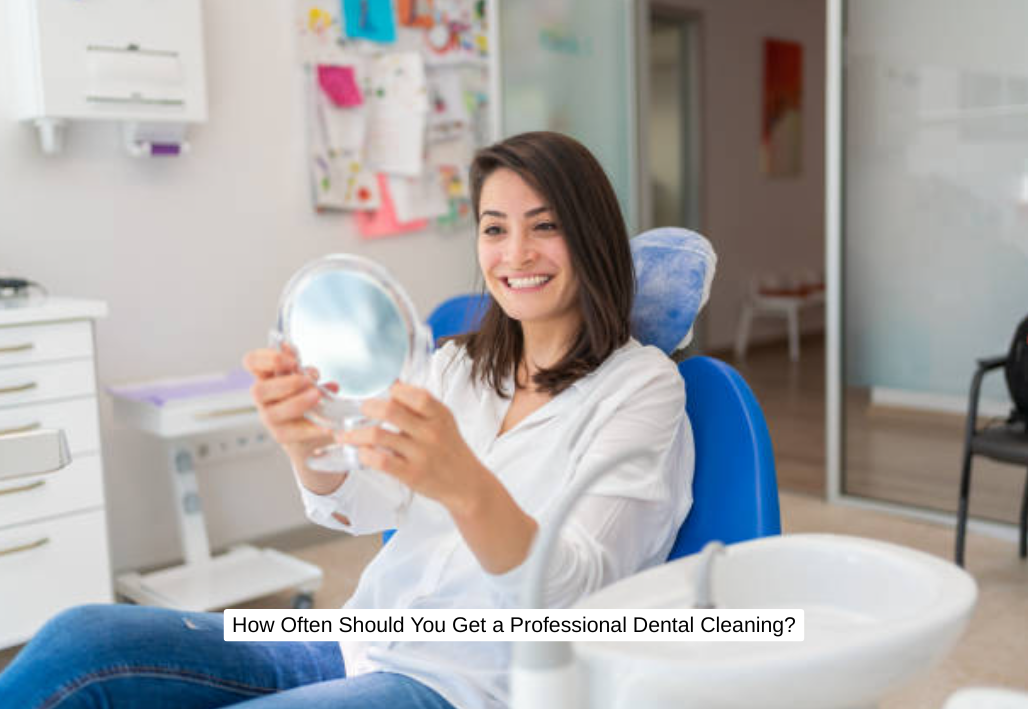

You’ve probably heard “every six months” so many times it sounds like a broken record. But here’s the thing: that recommendation isn’t just something dentists made up to keep their schedules full. There’s actually solid reasoning behind it, though the right answer for you might be different depending on what’s going on in your mouth. Let’s break down what the research says, who might need professional dental cleanings more often, and how to figure out the right schedule for your specific situation.
Where the Six-Month Rule Comes From
The twice-yearly cleaning recommendation has been around since the 1800s, but modern dental research supports it for most people. According to the American Dental Association, plaque can harden into tartar in as little as 24 to 72 hours if not removed. Once that happens, no amount of brushing or flossing at home will get rid of it.
Here’s what actually builds up between cleanings:
- Plaque forms constantly as bacteria mix with food particles and saliva
- Tartar (calcified plaque) accumulates in spots your toothbrush misses
- Surface stains from coffee, tea, wine, and certain foods gradually dull your smile
- Bacteria colonies establish themselves in hard-to-reach areas
For people with healthy gums and good home care habits, six months gives your hygienist enough time to address this buildup before it causes problems, but not so long that minor issues turn into major ones.
Why Some People Need More Frequent Dental Cleanings
That six-month guideline works well as a starting point, but your dentist might recommend a different schedule based on your individual risk factors. The Centers for Disease Control and Prevention reports that nearly half of American adults over 30 show some signs of gum disease, and these individuals often benefit from more frequent professional care.
Conditions that typically require cleanings every 3-4 months:
Gum disease (periodontal disease): If you’ve been diagnosed with gingivitis or periodontitis, more frequent cleanings help keep bacterial populations under control. Once gum disease develops, it doesn’t go away on its own. Regular periodontal maintenance visits are part of managing the condition long-term.
Diabetes: High blood sugar affects your body’s ability to fight infection, including in your gums. Research published in the Journal of Periodontology shows a two-way relationship between diabetes and gum disease. Each condition makes the other harder to control.
Pregnancy: Hormonal changes increase blood flow to gum tissue and can exaggerate your body’s response to plaque bacteria. Many women notice their gums bleed more easily during pregnancy, even with the same brushing routine.
Smoking or tobacco use: Tobacco affects blood flow to the gums and suppresses your immune response, making infections harder to fight. Smokers accumulate tartar faster and often need additional cleanings to stay ahead of the buildup.
Dry mouth: Whether from medications, medical treatments, or other causes, reduced saliva flow means less natural rinsing of bacteria throughout the day. People with chronic dry mouth tend to develop cavities and gum problems more quickly.
At SmileCentric - Cosmetic Dentist / Dental Implant Center in Carmel, IN, patients with these risk factors often participate in customized hygiene programs that include more frequent visits and targeted periodontal maintenance to keep their gums healthy.
What Actually Happens During a Professional Cleaning
Understanding what your hygienist does might help you appreciate why these visits matter. A standard prophylaxis (the technical term for a routine cleaning) includes several steps you can’t replicate at home.
Scaling removes tartar deposits from tooth surfaces and just below the gumline using specialized instruments. Your hygienist can see and reach areas that are impossible to clean yourself, no matter how diligent you are with your toothbrush.
Polishing smooths tooth surfaces and removes surface stains. That gritty paste they use contains mild abrasives that would be too harsh for daily use but work well for occasional professional polishing.
Flossing between each tooth removes any remaining debris and lets your hygienist check for areas where your gums might be starting to pull away from your teeth.
Examination by your dentist identifies problems while they’re still small. A tiny cavity caught early might need a simple filling, while the same cavity ignored for another year could require a crown or root canal.
“We see so many patients who put off their cleanings and then end up needing much more extensive treatment,” says Dr. Louis Abukhalaf of SmileCentric. “A cleaning every six months costs a fraction of what a crown or implant costs. It’s one of the best investments you can make in your long-term health.”
Deep Cleaning vs. Regular Cleaning: Knowing the Difference
If your dentist recommends a deep cleaning, also called scaling and root planing, it means they’ve found signs of gum disease that a regular cleaning can’t address. This isn’t a judgment on your hygiene habits. Sometimes genetics, medical conditions, or years of accumulated buildup create situations that need more intensive treatment.
Regular cleanings focus on the tooth surfaces above and slightly below the gumline. They’re preventive care designed to maintain healthy teeth and gums.
Deep cleanings go further beneath the gumline to remove tartar deposits on tooth roots and smooth rough spots where bacteria like to collect. According to the American Academy of Periodontology, this procedure is typically recommended when pockets between teeth and gums measure 4 millimeters or deeper.
Deep cleanings usually require local anesthesia and may be split across multiple appointments. After the procedure, your dentist will likely recommend periodontal maintenance visits every 3-4 months instead of standard cleanings every 6 months.
For patients in Carmel, IN who need this level of care, SmileCentric - Cosmetic Dentist / Dental Implant Center offers comprehensive periodontal maintenance programs that include scaling and ongoing monitoring to prevent gum disease from progressing.
Signs You Might Be Overdue for a Cleaning
Your mouth often gives you signals that it’s time to schedule an appointment. Pay attention to these warning signs:
Bleeding when you brush or floss: Healthy gums shouldn’t bleed from normal brushing. If you see pink in the sink regularly, inflammation is present.
Persistent bad breath: Chronic bad breath that doesn’t improve with brushing often indicates bacterial buildup that needs professional removal.
Visible tartar: If you can see yellowish or brownish deposits along your gumline, especially on lower front teeth, tartar has accumulated.
Sensitivity that wasn’t there before: New sensitivity to hot, cold, or sweet foods can signal that enamel is wearing or gums are receding.
It’s been more than a year: Life gets busy, but if you genuinely can’t remember your last cleaning, it’s definitely time to call.
Making Regular Cleanings Work for Your Life
The biggest barrier to consistent dental care isn’t usually fear or discomfort. It’s scheduling. Between work, family, and everything else demanding your attention, dental appointments can slip down the priority list.
A few strategies that help:
Book your next appointment before leaving the office. It’s much easier to plan around a date that’s already on your calendar than to remember to call in six months.
Consider early morning or lunch appointments. Many dental offices, including practices in the Carmel area, offer flexible scheduling to accommodate working professionals.
Know your insurance benefits. Most dental insurance plans cover two cleanings per year at 100%. If you’re not using these benefits, you’re essentially leaving money on the table.
Factor in the math. The American Dental Association notes that the average cost of a dental cleaning runs around $100-$200 without insurance. Compare that to the thousands a root canal, crown, or implant costs, and preventive care becomes an obvious bargain.

The Bottom Line on Dental Cleaning Frequency
For most healthy adults, a dental cleaning in Carmel, IN every six months provides the right balance of prevention and practicality. If you have gum disease, diabetes, or other risk factors, your dentist might recommend visits every three to four months.
The best schedule is one you’ll actually follow. Talk honestly with your dental team about your health history, your habits, and any concerns you have. They can help you develop a cleaning schedule that protects your oral health without feeling like an unreasonable burden on your time or budget.
Frequently Asked Questions About Dental Cleanings
How much does a dental cleaning cost in Carmel, IN?
Without insurance, a routine dental cleaning typically costs between $100 and $200 in the Carmel area. Most dental insurance plans cover two preventive cleanings per year at 100%, so you may pay nothing out of pocket if you have coverage.
Can I get a dental cleaning if I have sensitive teeth?
Yes, and you should let your hygienist know about your sensitivity before they start. They can adjust their technique, use desensitizing products, or recommend numbing options to make your cleaning more comfortable.
What’s the difference between a dental cleaning and a deep cleaning?
A regular cleaning removes plaque and tartar from above and just below the gumline. A deep cleaning (scaling and root planing) goes further beneath the gums to clean tooth roots and is typically recommended for patients with gum disease.
How long does a professional dental cleaning take?
Most routine cleanings take 30 to 60 minutes, depending on how much buildup needs to be removed. If it’s been a while since your last visit or you have more tartar than usual, expect the appointment to run closer to an hour.
Is it bad to only get one cleaning per year?
One cleaning is better than none, but you’re giving plaque and tartar twice as long to cause damage. Research consistently shows that patients who stick to twice-yearly cleanings have fewer cavities, less gum disease, and lower long-term dental costs.
Should I brush my teeth before going to the dentist?
Yes, please do. Your hygienist will appreciate starting with a cleaner baseline, and it’s just good manners. However, don’t skip brushing out of embarrassment if you forgot. Your dental team has seen it all, and they’d rather you show up than cancel because you didn’t have time to brush.
Ready to schedule your next dental cleaning in Carmel, IN? SmileCentric - Cosmetic Dentist / Dental Implant Center combines modern dental care with old-fashioned hospitality to make your visits comfortable and efficient. Contact us to book your appointment and get your personalized cleaning schedule.