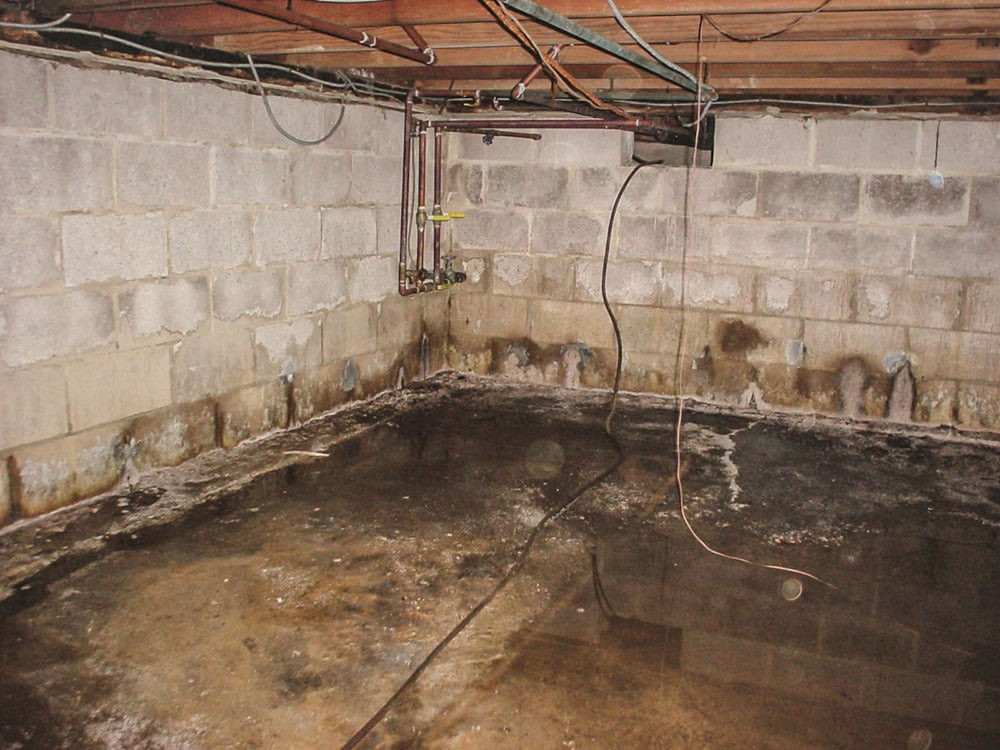
You’re probably already aware that moisture in your crawlspace can lead to a host of serious problems, but did you know it’s also a beacon for destructive pests? Think about it – damp, secluded, and often neglected, it’s a perfect breeding ground for critters like termites, cockroaches, and carpenter ants. And let’s not forget the mold mites, attracted by the inevitable mold growth in such conditions. The stakes are high; these uninvited guests can cause significant structural damage and health hazards. So, what can you do to address this issue effectively? Let’s explore further.
Key Takeaways
- Moisture accumulation in crawlspaces attracts pests like termites, cockroaches, and silverfish, causing structural damage and health risks.
- High humidity, inadequate drainage, and environmental factors contribute to crawlspace moisture, promoting pest infestation.
- Mold, a moisture-induced problem, can trigger allergic reactions, deteriorate air quality, and attract mold mites.
- Preventative measures like regular inspections, improving ventilation, and using a dehumidifier can control moisture and prevent pest infestations.
- Moisture-related pest problems can decrease property value, require costly repairs, and negatively affect a home’s marketability.
Understanding Crawlspace Moisture Issues
In the world of pest control, understanding crawlspace moisture issues is essential. You see, crawlspaces are typically dark, enclosed areas beneath your home. They’re often out of sight, out of mind, until a problem arises. When moisture levels rise, it’s usually a major issue that can’t be ignored.
So, why is moisture such a big deal? Well, moisture creates a perfect environment for pests. It’s like a five-star hotel for bugs, rodents, and other unwanted critters. However, we’re not delving into which pests are attracted to dampness in this piece – that’s another topic entirely.
Instead, let’s focus on the factors that contribute to moisture buildup in your crawlspace. Poorly installed or maintained gutters, inadequate drainage systems, and landscaping that slopes towards your home can all lead to water seeping into your crawlspace.
Add in environmental factors like heavy rainfall or high humidity, and you’ve got a recipe for a damp, pest-friendly crawlspace.
Understanding your crawlspace’s moisture issues isn’t just about pest control, though. It’s about maintaining the overall health of your home. Moisture can cause structural damage, mold growth, and even health issues for the home’s inhabitants.
That’s why it’s vital to keep tabs on your crawlspace.
Common Pests Attracted by Dampness
You might be surprised to learn just how many pests are drawn to damp environments in your crawlspace.
Understanding which pests are attracted by dampness and their impact can help you prevent unwanted infestations.
Let’s explore how to identify these pests and the preventative measures you can take to keep them at bay.
Identifying Moisture-Attracted Pests
Dampness in your crawlspace can be a magnet for a variety of pests. This moisture creates an inviting environment that’s perfect for certain types of critters to thrive. The key to tackling this issue is first identifying the pests attracted to moisture.
These pests are often drawn to damp environments:
- Termites: These wood-destroying insects love moisture. They’re able to survive in damp wood or soil and can cause significant damage to the structure of your home.
- Cockroaches: These pests are highly adaptable but prefer warm, damp areas like crawlspaces.
- Silverfish: These insects thrive in dark, damp areas and are often found in basements and crawlspaces.
- Carpenter ants: Similar to termites, these ants are attracted to damp, rotting wood.
- Mold mites: These tiny mites feed on mold, which thrives in damp conditions.
You must regularly check your crawlspace for these pests. If you notice any signs of these moisture-attracted pests, it’s crucial to take immediate action.
Impact of Dampness on Pests
A considerable number of pests thrive in damp environments, turning your crawlspace into their sanctuary. Now, you’re not just dealing with a moisture problem, but a full-blown pest infestation.
This dampness doesn’t just attract these pests; it creates a perfect breeding ground for them. They multiply rapidly, exacerbating the problem. Your crawlspace, once just a bit damp, is now home to a variety of pests, each causing their own set of problems, from structural damage to potential health risks.
Here’s a quick look at some pests that damp environments draw:
| Pest | Problem Caused |
|---|---|
| Termites | Structural damage |
| Cockroaches | Spread diseases |
| Rats | Carry diseases, damage property |
| Mold mites | Allergic reactions |
| Silverfish | Damage books, wallpapers |
You see, moisture isn’t just causing a damp smell or a bit of mold here and there. It’s inviting a whole host of unwanted guests into your home. Understanding the impact of dampness on pests can help you address the issue effectively. Don’t let your crawlspace become a refuge for these pests.
Preventing Moisture-Related Infestations
Taking proactive steps towards preventing moisture-related infestations can save your home from the host of pests attracted by dampness.
Your home’s crawlspace is one of the most susceptible areas for moisture accumulation. It’s often dark, poorly ventilated, and if not regularly checked, could become a breeding ground for pests.
You can prevent moisture-related infestations by keeping your crawlspace dry and clean. Here are a few tips to help you:
- Regularly inspect your crawlspace: Watch out for signs of moisture, like water pools or damp walls.
- Improve ventilation: This helps dry out any moisture that may have accumulated.
- Install a vapor barrier: This can help reduce the amount of moisture that seeps into the crawlspace.
- Seal cracks and holes: They can be entry points for moisture and pests.
- Use a dehumidifier: If your crawlspace is persistently damp, a dehumidifier can help.
How Moisture Invites Termites
In your crawlspace, unnoticed moisture can become an open invitation to termites. These destructive pests thrive in damp, dark environments. Moisture softens the wood in your crawlspace, making it an easy target for termite colonies looking for a new home.
You might be wondering, “Why do termites like moisture so much?” Well, termites need water to survive just like any other living creature. They can extract it directly from the wood they consume, but if that wood is dry, it’s harder work for them.
Moist wood is like a fast-food drive-thru, it’s quick, it’s easy, and it’s got everything they need.
But it’s not just the wood they’re after. Moist soil in your crawlspace also attracts termites. They navigate using scent trails, and moisture enhances these trails, making it easier for them to find their way around.
It’s like a giant, flashing neon sign saying, “All You Can Eat Buffet, This Way!”
Mold and Fungi: Unseen Challenges
You may not see them, but mold and fungi could be lurking in your crawlspace.
Identifying their presence is essential as they pose a significant challenge to your home’s health.
Let’s understand how you can spot these unseen culprits and discuss the potential impact of a fungi infestation.
Identifying Mold Presence
Beneath your home, lurking in the crawlspace, mold and fungi might be causing unseen challenges. You may not even realize it’s there, silently growing in the damp, dark spaces.
So, how can you identify the presence of mold in your crawlspace?
Firstly, you’ve got to look for visible signs. Mold often appears as a fuzzy, discolored growth on surfaces. It can be a range of colors, from white to green to black.
There’s also the smell. A musty, earthy odor is a telltale sign of mold growth. If you’re noticing such an odor coming from your crawlspace, it’s a good idea to investigate further.
Here are some other indicators to look out for in your crawlspace:
- Water damage: Stains, discoloration, or peeling paint could mean water has infiltrated the area, creating a perfect environment for mold.
- Condensation: If you’re seeing beads of water on surfaces or on insulation, mold could be on its way.
- Rust: On metal surfaces, rust can indicate a moisture problem, and where there’s moisture, mold can thrive.
- Wood decay: Mold feeds on organic material like wood, so if you’re seeing decay, mold could be the culprit.
- Health issues: If you’re suddenly dealing with allergies, respiratory issues, or constant headaches, it could be due to mold exposure.
Identifying mold presence is the first step in taking back your home’s health.
Fungi Infestation Impact
Having identified the presence of mold, it’s high time to understand the impact of a full-blown fungi infestation. Mold and fungi are more than just unsightly; they’re a clear sign that your crawlspace’s health is in jeopardy.
These intruders thrive in damp conditions, rapidly multiplying and infiltrating your home. They don’t just stay in the crawlspace. Spores spread throughout your home, tainting air quality and causing potential health issues. Breathing in these spores can lead to respiratory problems, allergic reactions, and even severe illnesses such as pneumonia.
Moreover, these fungi are voracious eaters. They feed on your home’s structure, gradually weakening it. This can lead to costly repairs, or worse, structural failure.
Remember, the longer you let it grow, the more damage it’ll cause.
Additionally, a severe infestation can greatly decrease your property value. Prospective buyers don’t want a house riddled with mold and fungi, and neither do you.
Effects of Pests on Your Home
While it may seem harmless at first, a pest infestation can wreak havoc on your home. The destruction these little creatures cause isn’t just superficial. It goes beyond the visible and tends to affect the structural integrity of your house.
Here’s how:
- Property Damage: Pests like termites, carpenter ants, and beetles can chew through wood, weakening your home’s structure over time. This can lead to expensive repairs or, in extreme cases, even house collapse.
- Health Hazards: Some pests, like rats or roaches, can carry diseases that can affect you and your family’s health. Their droppings can contaminate your food and water, leading to illness.
- Unpleasant Odors: Dead pests and their droppings can cause a foul smell, making your home uncomfortable.
- Allergies and Asthma: Pests like dust mites and cockroaches can trigger allergies and asthma attacks due to the allergens they carry.
- Electrical Damage: Pests like rats and squirrels can chew electrical wires, causing power outages and increasing fire risk.
Don’t underestimate these critters. They’re small but mighty in their destructive capabilities.
It’s essential to identify and address these issues before they escalate.
Preventing Moisture in Crawlspaces
 Just as pests can wreak havoc on your home, moisture in your crawlspace can also present significant problems. Not only does it create a tempting environment for pests, but it can also cause structural damage. Consequently, preventing moisture from accumulating is critical.
Start by ensuring your house has a good drainage system. Gutters and downspouts should be clean and free from blockages, directing water away from your home’s foundation. Landscaping should slope away from the house to prevent water pooling.
Next, consider encapsulating your crawlspace. This involves sealing it with a vapor barrier to keep moisture out. It’s a step that can require a professional, but it’s worth it for the protection it offers.
Ventilation is another key aspect. Properly placed vents can help circulate air and reduce dampness. In some cases, a dehumidifier might be necessary to maintain a dry environment.
Lastly, regular inspection can help you catch any signs of moisture early. Look for signs like water stains, mold, or a musty smell.
Effective Pest Control Solutions
When pests invade your crawlspace, it’s time to take decisive action. Don’t let these unwanted guests cause havoc in your home. You’ve got plenty of effective control solutions at your disposal.
First, make sure that you’ve sealed all possible entry points. Pests are crafty and can squeeze through the smallest gaps. Regularly inspect your crawlspace for potential entry points and seal them promptly.
Secondly, think about using pest control products. There’s a wide range available, from sprays to traps, and what you choose will depend largely on the type of pest you’re dealing with. When used correctly, these can be very effective.
Furthermore, maintenance is key. Regularly clean your crawlspace and remove any potential food sources. This will make the area less appealing to pests.
Here are some additional steps to think about:
- Invest in a dehumidifier to control moisture levels.
- Remove any dead or decaying organic material.
- Apply a pest repellent around the perimeter of your home.
- Regularly monitor pest activity.
- Hire a professional pest control service if the problem persists.
So, you see, moisture in your crawlspace isn’t just a minor issue. It’s a gateway for pests like termites, roaches, and ants that can harm your home and health. Mold growth only worsens the situation, attracting even more bugs. Don’t let your property’s integrity and your well-being be compromised. Prevent moisture accumulation and employ effective pest control solutions. You’ve now got the knowledge to protect your home from these unwelcome visitors.