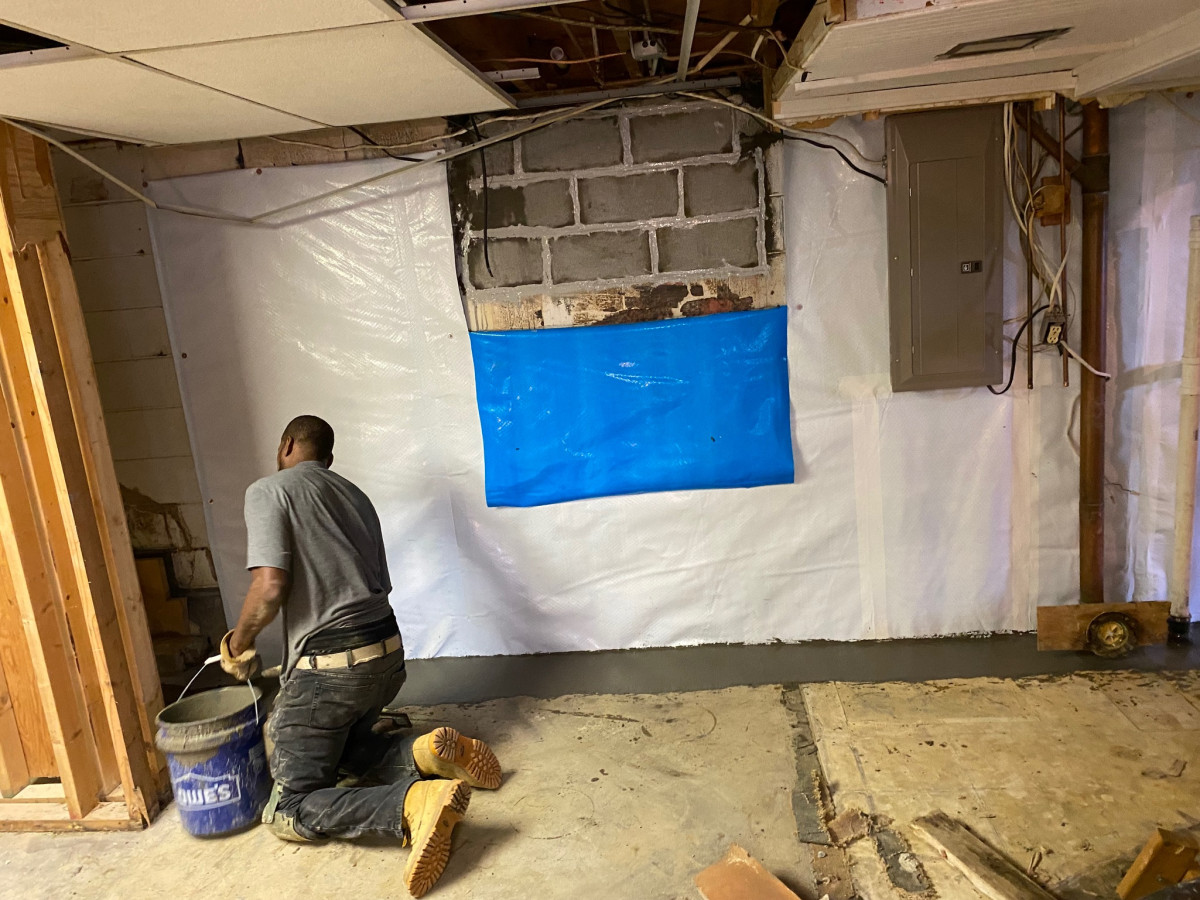
When you’re tackling waterproofing in new constructions versus older homes, there’s a lot to keep in mind. With new builds, you’ve got the advantage of modern materials and the opportunity to integrate waterproofing into the design from the get-go. But for older homes, it’s a different story, with potential structural issues and outdated systems to contend with. Cost-wise, while new builds might seem like the cheaper route initially, don’t be fooled. Older homes can pack a punch with hidden damage and complex repair needs. Intrigued? Let’s explore the details to see what’s really at stake.
Key Takeaways
- New builds require proactive waterproofing integration into design, considering geographic and climate factors.
- Older homes often need complete waterproofing overhauls due to outdated systems and structural wear.
- Selecting suitable waterproofing methods and materials is essential in both new constructions and older renovations.
- Regular maintenance and awareness of potential moisture entry points ensure ongoing effectiveness of waterproofing.
- Cost considerations vary; new builds may have lower initial costs, while older homes may incur higher expenses due to existing damage.
Understanding Waterproofing Basics
 In the domain of construction, understanding the basics of waterproofing is essential. You see, waterproofing is a protective measure that’s designed to stop water from entering or damaging a property. It’s a critical process, not only for new builds but also for older homes.
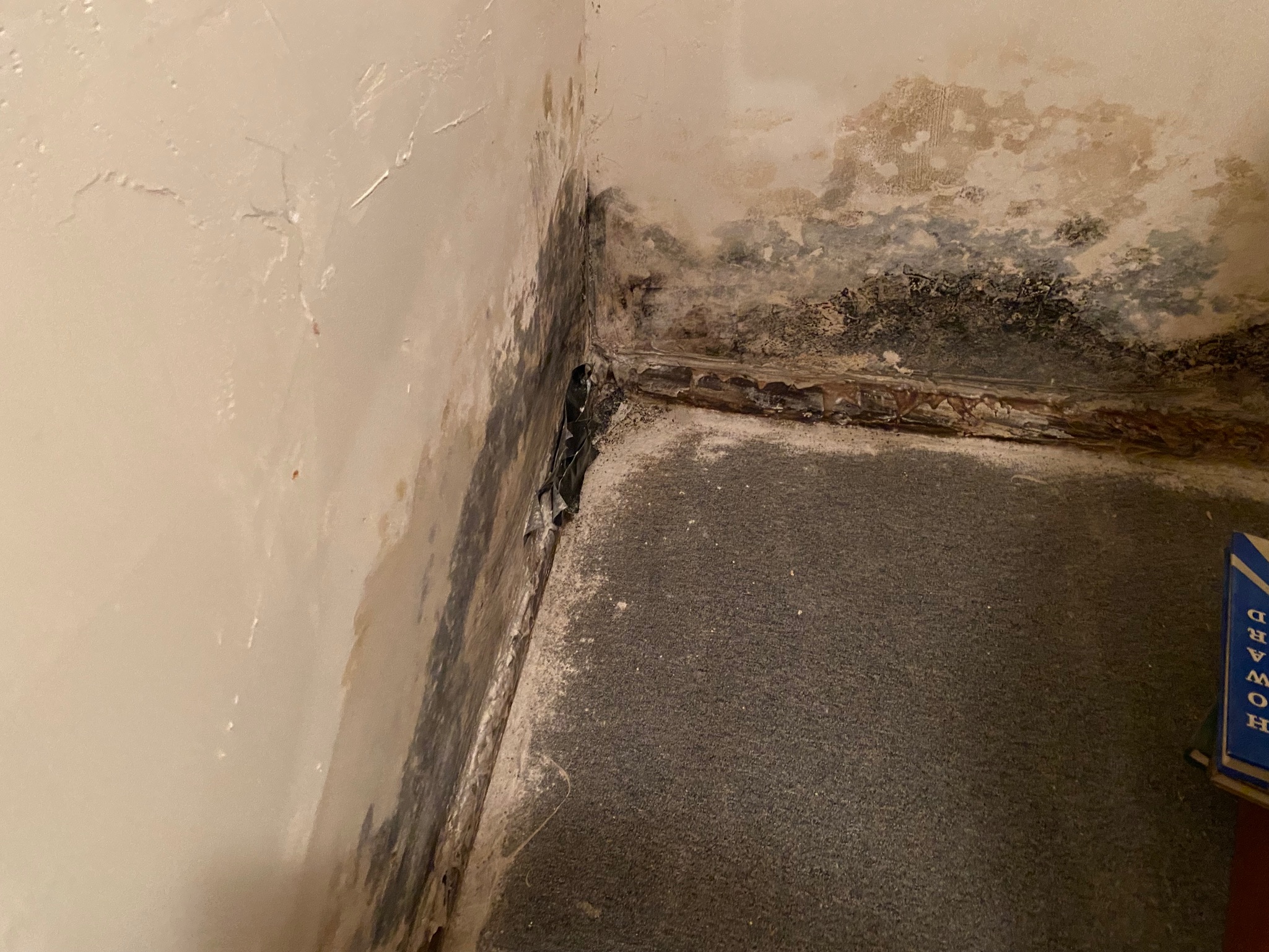
Water can wreak havoc on any structure, whether it’s a residential house or a commercial building. It can lead to dampness, mildew, and even structural damage if it’s not properly managed. That’s why you need to understand the basics of waterproofing.
Firstly, it’s important to identify the areas that are most vulnerable to water damage. These typically include basements, bathrooms, and roofs. Once you’ve identified these areas, you can begin to apply appropriate waterproofing measures.
There are several methods of waterproofing, such as liquid waterproofing membranes, cementitious waterproofing, and bituminous coating. Each method has its own strengths and weaknesses, and it’s your job to decide which one is best for your specific situation.
In essence, waterproofing is about prevention. It’s better to invest in high-quality waterproofing now, rather than dealing with the costly consequences of water damage later.
Don’t underestimate the importance of this process. It’s a fundamental part of construction that can save you a lot of trouble down the line.
New Build Waterproofing Considerations
Shifting our focus to new constructions, there are certain factors you should consider. To begin with, you’ve got to think about the materials used in the building process. They should be durable and resistant to water damage. You don’t want to be dealing with leaks and dampness in a brand new building!
Next, consider the design features of the new build. Areas such as the basement, roof, and walls are prone to water ingress, so they need to be well-protected. Waterproofing measures should be incorporated into the construction from the start, not as an afterthought.
It’s important to hire a reputable waterproofing contractor who knows their stuff. They’ll make sure the correct procedures are followed and the right materials are used. Don’t try to skimp on this essential service – it’s an investment that’ll save you money in the long run.
Finally, remember to check local building regulations. They often have specific requirements for waterproofing new builds. Your contractor should be up to speed on these, but it’s always good for you to be informed as well.
In the end, proper waterproofing is a must for any new construction. It’s about being proactive, so you don’t have to deal with water-related issues down the line.
Waterproofing Challenges in Older Homes
When it comes to older homes, waterproofing can present a unique set of challenges. The main issue you’ll face is the wear and tear these structures have endured over time. Decades of exposure to the elements can lead to weakened foundations, cracked walls, and deteriorated weatherproofing materials.
You’ll often find that older homes were built with outdated or even non-existent waterproofing systems. Consequently, you’re dealing with a blank canvas. This can be a double-edged sword – it’s an opportunity to install modern, effective systems, but it also means you’re starting from scratch.
Another challenge is hidden damage. Moisture may have been seeping into the building for years, leading to unseen issues like rot, mildew or structural damage.
Uncovering and addressing these problems is vital before any new waterproofing can be implemented.
Case Study: Waterproofing a New Home
Let’s now turn our attention to a case study of waterproofing a new build.
You’ll see how critical it’s to select the right waterproofing materials, understand the implementation process, and maintain the waterproofing efforts post-implementation.
This real-life example will bring to light the complexities and rewards of waterproofing a new home.
Choosing Waterproofing Materials
Choosing the right waterproofing materials for a new home can be a challenging task. You’ll need to evaluate several factors to make an informed decision.
When selecting materials, you should take into account the home’s location and the local climate. Materials that work well in dry climates might not be as effective in areas with high humidity or rainfall. Additionally, the type of soil surrounding the home can also influence the effectiveness of different waterproofing materials.
Here is a table to help you compare some common waterproofing materials:
| Material | Pros | Cons |
|---|---|---|
| Bituminous Coating | Excellent waterproofing, flexible | Not resistant to sunlight, can’t be left exposed |
| Cementitious Waterproofing | Easy to apply, cheap | Not flexible, can crack |
| Liquid Waterproofing Membrane | High flexibility, consistent thickness | Application is skill-based, error-prone |
| Polyurethane Liquid Membrane | Excellent flexibility, resistant to weather changes | High cost, sensitive to moisture during application |
| Silicone Coatings | UV resistant, flexible | Less durable, high cost |
Implementation Process
Starting the waterproofing process for a new home, you’ll find that it involves a series of critical steps.
First, you’ll need to assess the area. This includes determining which parts of the house are most exposed to moisture. Typically, this would be the basement, outer walls, and the roof.
The next step is to prepare the area for waterproofing. This involves cleaning the surfaces thoroughly. Any holes or cracks should be sealed. You’ll want to guarantee the area is completely dry before proceeding to the next step.
Then, you’ll apply the waterproofing material. How you do this depends on the type of material you’ve chosen. It could be a paint-like substance that you apply with a brush or a sheet-like material that you install.
Either way, make sure it’s applied evenly and covers all areas prone to moisture.
Post-waterproofing Maintenance
Ever wondered what comes next after waterproofing your new home? Well, it’s not all about the application process. The journey doesn’t end there; it’s equally essential to maintain the waterproofing system to guarantee its longevity.
Regular maintenance helps to keep your waterproofing functioning at its best, and it’s simpler than you might think. Primarily, you’ll want to inspect your home regularly, particularly after heavy rains. Look for signs of moisture, such as dampness or mold. If you spot any issues, address them promptly to prevent further damage.
Cleaning your gutters and downspouts is also a must. Overflows can lead to water seeping into your walls, undermining your waterproofing system. So, get up there and clean out any blockages every now and then.
Additionally, you should be mindful of any landscaping changes you make. Planting a tree too close to your home, for example, can damage your waterproofing due to root growth. Be strategic and considerate with your garden planning.
Case Study: Renovating an Old House
With the challenge of an old home in front of you, it’s important to contemplate the task of waterproofing.
Don’t be deceived by the charm and character of these homes; they can hide significant issues, especially with waterproofing. It’s not just an aesthetic undertaking, it’s about guaranteeing your house stands strong against the elements.
You’re likely to face unique challenges with an older property.
Here’s a brief case study to illustrate this:
- The Roof: Older homes often have worn-out roofs. In this renovation, the roof needed complete replacement to guarantee adequate waterproofing.
- The Basement: This house had a stone foundation, common in older builds, which was prone to water ingress. It needed extensive sealing and a new drainage system.
- Internal Plumbing: The plumbing was old and leaky, leading to internal dampness. It was essential to replace it entirely to prevent future water damage.
In the end, this renovation wasn’t just about preserving the charm of an old house.
It was about making it livable and structurally sound.
Cost Comparison: New vs. Old Waterproofing
Although you may think new builds would automatically be cheaper to waterproof, it’s not always the case.
With a new build, you’re starting from scratch, which can mean lower costs because you don’t have to remove old waterproofing. However, costs can also skyrocket depending on the complexity of the design, or if high-quality, cutting-edge waterproofing materials and technologies are used.
On the other hand, waterproofing an older home can be costlier due to potential complications. You might’ve to deal with existing water damage, remove and replace old waterproofing, or even reinforce the structure before applying new waterproofing.
However, if the old structure is still sound and the existing waterproofing is effective, updates can be minimal, reducing costs.
Remember that every situation is unique. The condition of the building, the materials used, labor costs, and even your geographic location can greatly sway the cost of waterproofing.
What’s most important is ensuring the job is done right. Cutting corners to save a few bucks now can lead to monumental costs down the line.
It’s essential to balance your budget with the need for quality waterproofing to protect your investment.
Key Takeaways for Successful Waterproofing
Let’s now shift our focus to the key takeaways for successful waterproofing.
You’ll learn about the essentials in new builds and the unique challenges faced in older homes.
This knowledge will guide you towards making the right decisions for your property’s waterproofing needs.
Understanding Successful Waterproofing
Waterproofing your home, be it new or old, is a critical aspect you should never overlook.
It’s not just about keeping dampness and moisture out, but also about maintaining the structural integrity of your home. Successful waterproofing hinges on understanding its key components and implementing them correctly.
- Inspection and Assessment: You need to know what you’re working with.
This involves a thorough inspection of your home, identifying potential weak spots and vulnerabilities. It’s about knowing where water might seep in and cause damage, whether it’s through the walls, the roof, or the basement.
- Choosing the Right Waterproofing Method: Not all homes are the same, and neither are waterproofing methods.
Your choice depends on the construction of your house and the severity of the moisture problem. You might need a simple sealant for minor issues, or a more complex method like drainage for severe cases.
- Regular Maintenance: Waterproofing isn’t a one-and-done deal.
It requires regular check-ups and maintenance to guarantee its effectiveness. You’ll need to stay vigilant for signs of damage or wear and tear, and take action when needed.
New Builds: Waterproofing Essentials

Firstly, always consider the location. If you’re building in an area prone to heavy rainfall or flooding, it’s vital to integrate waterproofing into the design from the get-go. That could mean investing in a solid foundation with water-resistant materials, installing a high-quality drainage system, or even raising the home above ground level.
Next, remember to waterproof the roof. Whether it’s a flat or slanted roof, it’s one of the most vulnerable areas of a home. As a result, make sure to apply a waterproof membrane and regularly inspect for leaks.
Lastly, don’t forget about the interiors. Bathrooms, kitchens, and basements are particularly susceptible to water damage. Proper sealing, use of water-resistant materials, and good ventilation can help prevent issues down the line.
In essence, successful waterproofing in new builds is all about forward thinking and meticulous attention to detail. It’s not just about handling what’s visible, but also about preparing for what could happen in the future.
Older Homes: Waterproofing Challenges
While new builds present their own set of waterproofing challenges, older homes often come with a unique set of hurdles.
You see, the age of your home can play a significant role in the type of waterproofing problems you’ll face. Previous renovations, outdated systems, and structural changes can all affect your home’s ability to stay dry.
Let’s look at three common challenges you might encounter when waterproofing an older home:
- Outdated Drainage Systems: Older homes often have outdated or non-existent drainage systems. This means water can collect around the foundation, leading to issues like dampness and mold growth.
- Previous Renovations: Past renovations could have caused changes to the original waterproofing system. If these changes weren’t properly managed, you might face leaks and water damage.
- Structural Changes Over Time: Over the years, homes can settle or shift, which may lead to cracks in the foundation. These cracks can let in water, causing serious damage if not addressed.
So, whether you’re dealing with a new build or an older home, it’s essential to pay attention to waterproofing. New constructions may offer easier integration and lower costs, while older homes pose unique challenges and potential repairs. Taking the time to understand your situation and plan carefully will save you money and headaches down the line. Remember, successful waterproofing is all about proactivity, regular maintenance, and smart decision-making.