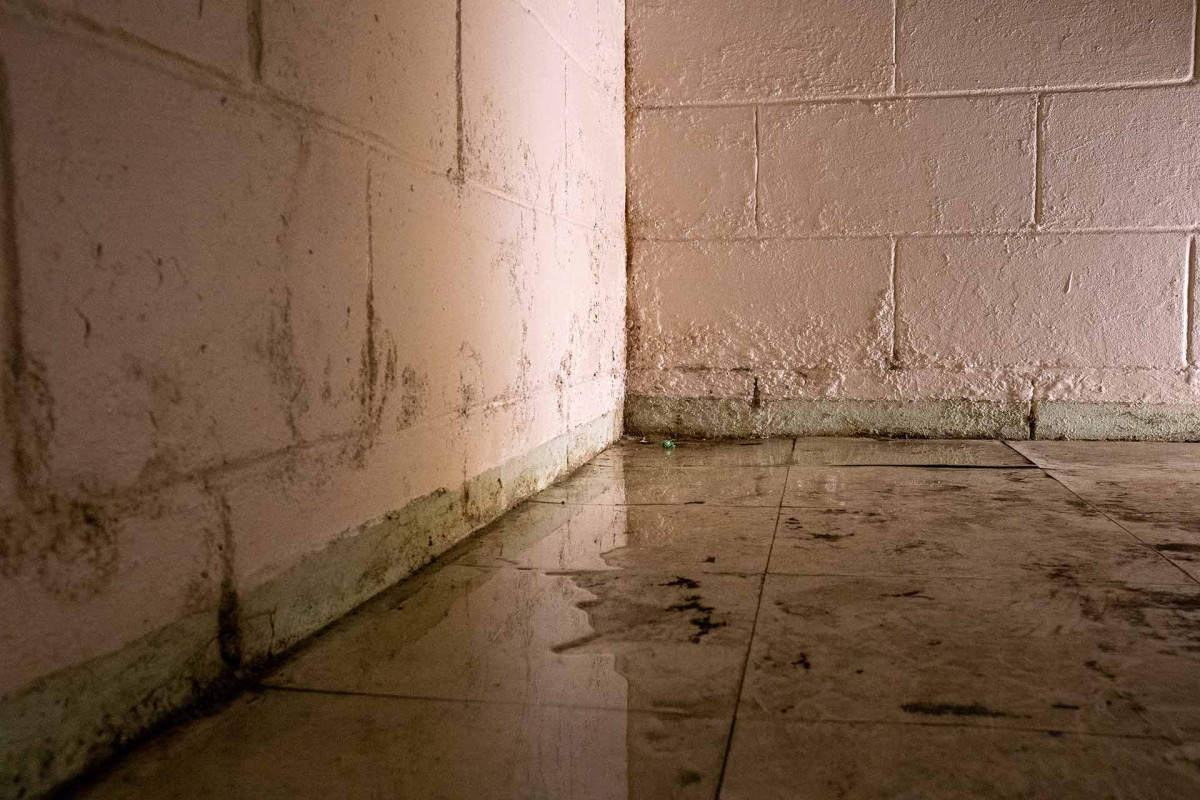
You’ve likely noticed that your basement tends to be damper than the rest of your house. But have you ever stopped to ask why? Or better yet, how to fix it? Understanding the difference between condensation and cracks, and how each contributes to moisture problems, can help protect your home’s value. You’ll also want to know how to control the moisture effectively, such as using dehumidifiers or improving ventilation, so you can prevent mold growth and maintain the structural integrity of your home. Stick around, we’ve got some answers to your burning questions.
Key Takeaways
- Basement condensation forms when warm, moist air contacts cool surfaces, leading to potential mold and structural damage.
- Hairline, vertical, horizontal, and diagonal cracks in basements can indicate different issues, requiring monitoring or professional attention.
- Effective moisture control strategies include dehumidifier use, sealing walls and floors, improving ventilation, and landscaping adjustments.
- Regular inspections for damp spots, condensation, and mold are crucial for early moisture problem detection and management.
- Professional remediation is a reliable option for comprehensive moisture evaluations and effective solution implementation.
Understanding Basement Moisture
 When you’re dealing with a damp basement, it’s important to understand the underlying causes. It’s not just about mopping up the water or drying out the space. The real issue is figuring out why your basement is damp in the first place.
First off, it’s essential to comprehend that basements are naturally prone to humidity due to their underground location. They’re built into the ground, surrounded by damp soil, and thus susceptible to moisture seeping in. This natural dampness can be amplified by certain factors like weather, temperature, and ventilation.
Weather, for instance, plays a significant role. If it’s been raining hard, or if you live in an area with high humidity, your basement may be more susceptible to dampness.
Temperature also affects humidity levels. When the temperature drops, condensation can occur, leading to dampness.
Finally, poor ventilation can trap moisture inside, causing dampness.
While these factors contribute to a damp basement, they aren’t necessarily the root causes. They’re indicators of a deeper issue.
You’ve got to look past these surface factors to truly handle your damp basement situation. Remember, it’s not just about dealing with dampness—it’s about understanding it.
Common Sources of Dampness
You might be wondering what causes dampness in your basement.
It’s often due to condensation, cracks allowing moisture in, or the weather’s impact.
Let’s discuss each of these common sources to help you better understand and tackle your basement moisture problem.
Understanding Basement Condensation
Though it may not always be visible, basement condensation is a common source of dampness. It’s the result of moist, warm air coming into contact with your cool basement walls and floor. When this happens, the warm air can’t hold onto all of its moisture, which then condenses into water droplets.
You might notice condensation in your basement as damp or wet spots on walls, floors, or items stored there. It can also lead to a musty smell. If you’re noticing these signs, it’s time to take action.
Unchecked condensation can damage your basement, fostering mold and mildew growth, ruining belongings, and even affecting your home’s structural integrity. High relative humidity, lack of ventilation, and cold surfaces are the main triggers, so address these factors first.
Getting a dehumidifier can help reduce the moisture in your basement. Sealing windows and insulating walls can prevent warm moist air from condensing.
Finally, improving ventilation will circulate air and help keep surfaces dry. Remember, prevention is always easier than treatment–so take steps to minimize condensation before it becomes a bigger problem.
[NEXT SUBTOPIC]: Cracks and Basement Moisture
Cracks and Basement Moisture
Despite the sturdy appearance of your basement walls, they can often be the source of unwanted moisture. This dampness usually originates from cracks that form in the concrete over time. These crevices, no matter how small, can allow water from the soil outside to seep into your basement.
You mightn’t think much of a tiny crack, but don’t be fooled. Even a hairline fracture can let in enough moisture to create a damp, musty environment. In fact, it’s often these small, unnoticeable cracks that cause the most trouble. They’re easily overlooked during routine inspections, allowing them to widen and let in more water over time.
Sealing these cracks is your best bet to prevent moisture build-up. There are various products available that can effectively fill these cracks and create a waterproof barrier.
It’s also important to monitor your basement regularly. Keep an eye out for any new cracks that may appear and deal with them promptly.
Weather Impact on Dampness
A major factor contributing to basement dampness is the weather. Rain, snow, and even seasonal changes can greatly affect the moisture level in your basement. Heavy rainfall or melting snow can increase the water table, leading to water seeping into your basement. Seasonal changes also play a part, as warm, humid summers can lead to condensation on cool basement surfaces.
| Weather Condition | Impact on Basement Dampness |
|---|---|
| Heavy Rainfall | Increases the water table, causing water to seep into the basement |
| Snow Melt | Can saturate the ground around the home, leading to seepage |
| High Humidity | Causes condensation on cool basement surfaces |
| Seasonal Changes | Can lead to increased dampness due to temperature differences |
| Flooding | Can lead to severe water ingress and dampness |
It’s important to reflect on these factors and take steps to protect your basement. Proper drainage, insulation, and waterproofing can help mitigate these issues. Remember, a dry basement isn’t just more comfortable, it’s also healthier and safer for you and your family.
Identifying Condensation Issues
In the world of basement maintenance, one of the most common issues you’ll encounter is condensation. This pesky problem can wreak havoc on your basement’s structural integrity if left unchecked. So, how do you identify it?
The first tell-tale sign of condensation you’ll notice is water droplets forming on the walls, windows, or pipes. It’s fundamentally when the humidity inside your basement turns into water. That’s because the cool temperature of these surfaces causes the warm, moist air to cool down and turn into water droplets.
Next, you should be conscious of a musty or damp smell. This is a strong indicator of high moisture levels in your basement. And while it’s not a pleasant scent, it’s a good thing you’ve picked up on it because it’s waving a big red flag at you.
Lastly, keep an eye out for damp spots on walls, floors, or ceilings. These are clear indications that condensation is present.
Dealing With Wall Cracks
Cracks in your basement walls can be a major source of moisture problems. Spotting these cracks early and knowing how to repair them can save you a lot of trouble down the line.
Let’s get into how you can identify and fix these unwanted fissures.
Identifying Wall Cracks
Over time, you might notice a network of cracks spreading across your basement walls. Don’t panic; it’s a common problem. However, identifying the type of crack can help you understand the severity of the issue.
Hairline cracks are thin and less than 1/8 inch wide. They often result from the natural curing process of concrete. While they’re generally not a cause for concern, keep an eye on them for any changes.
Vertical cracks run up and down or slightly diagonal. These are typically due to settlement or shrinking and can let in water if they widen.
Horizontal cracks, however, warrant more attention. If they’re accompanied by bowing walls, they might indicate severe pressure from soil outside the basement.
Diagonal cracks tend to start at a window or door and suggest differential settling, which means different parts of your foundation are supporting different amounts of weight.
Lastly, stair-step cracks appear in concrete block and brick foundations. They’re usually caused by soil pressure or frost heave.
Repairing Wall Cracks
Dealing with wall cracks in your basement may seem challenging, but it doesn’t have to be.
To begin with, you’ll need to determine the size of the crack. Smaller hairline cracks can be sealed with a waterproof filler and sealant. This is a simple DIY job that you can do over the weekend. Just make sure the area is clean and dry before you start.
For larger cracks, you may need professional help. These could indicate structural issues, especially if they’re growing over time.
You don’t want to risk compromising the integrity of your home by doing a patch job on a potentially serious issue. A professional can evaluate the damage and suggest the best course of action.
Effective Moisture Control Methods
When it comes to tackling basement moisture, it’s essential to have effective control methods in your toolkit. You don’t need to be an expert, but you should understand a few basic strategies that can help keep your basement dry.
First up, install a dehumidifier. It’s an easy, affordable way to reduce the moisture in your basement. It collects excess moisture from the air, helping to prevent condensation and mold growth.
Next, consider sealing your basement walls and floor. This can be done using a waterproofing paint or sealant. It’s a bit more hands-on but can be very effective in preventing moisture from seeping in.
Good ventilation is also key. Make sure there’s enough air circulation in your basement to help keep it dry. This could mean installing vents or fans, or simply keeping doors and windows open when possible.
Lastly, take a look at your landscaping. Make sure the ground slopes away from your home to prevent water from pooling around your foundation.
 Professional Remediation Options
If your efforts to control basement moisture fail, it’s time to ponder professional remediation options. You’ve tried every do-it-yourself method out there, but the problem persists. Don’t worry, it’s not the end of the world. A professional remediation service can help.
These experts have the experience, equipment, and training to handle all types of basement moisture issues. They can assess the situation, identify the source of the moisture, and recommend an effective solution.
But remember, not all remediation companies are created equal. You’ll want to take the time to research and select the best service for your needs.
Some key factors to ponder when choosing a professional remediation service include:
- The company’s reputation and experience: Read reviews and check their record for customer satisfaction.
- The services they offer: Make sure they can handle your specific problem and aren’t limited to generic solutions.
- Their remediation process: Understand what steps they’ll take to fix the issue and how long it might take.
Once the professionals have done their job, you can breathe a sigh of relief. You’ll have a dry, comfortable basement again.
Just remember to take steps to prevent future moisture problems. But that’s a topic for another day.
Preventing Future Moisture Problems
Having a dry, comfortable basement doesn’t stop at professional remediation. You’ve got to take proactive steps to prevent future moisture problems. Remember, it’s your space. It’s up to you to protect it.
First, regularly inspect your basement for any signs of moisture. Look for damp spots, condensation on pipes, or mold growth. You can’t fix a problem you don’t know exists. Second, consider a dehumidifier to control the humidity level. It’s an easy way to reduce excess moisture. Finally, maintain your home’s exterior. Verify gutters and downspouts are directing water away from your foundation.
| Action | Benefits | Emotion |
|---|---|---|
| Regular Inspection | Early detection of moisture problems | Peace of Mind |
| Using a Dehumidifier | Control over humidity level | Feeling of Control |
| Exterior Maintenance | Prevention of water seepage | Sense of Security |
Follow these steps and you’ll greatly reduce the risk of future moisture problems. You’ll feel peace of mind knowing you’re in control. There’s nothing quite like the security of a dry, comfortable basement.
So, you’ve got the lowdown on basement moisture, from condensation issues to wall cracks. Don’t ignore these problems – they’re vital to your home’s value and safety. Use dehumidifiers, seal those cracks, and improve ventilation for effective moisture control. Seek professional help when necessary. Regular inspections and maintenance can prevent future issues. Remember, a dry basement is a happy basement!