High-income Californians are building wealth in ways that traditional estate plans were never designed to handle. In a newly released educational guide, The Law Offices of C.R. Abrams, P.C., highlights why creators, executives, and founders in Mission Viejo, Los Angeles, and Redwood City need trust-centered estate planning to protect equity compensation, business continuity, real estate holdings, and digital assets.
The guide explains that high earners often hold far more than a home and retirement account. Many estates now include RSUs, stock options, startup shares, closely held companies, digital income streams, and online property. Without clear legal structure, these assets can be delayed, exposed, or lost at the worst possible time.
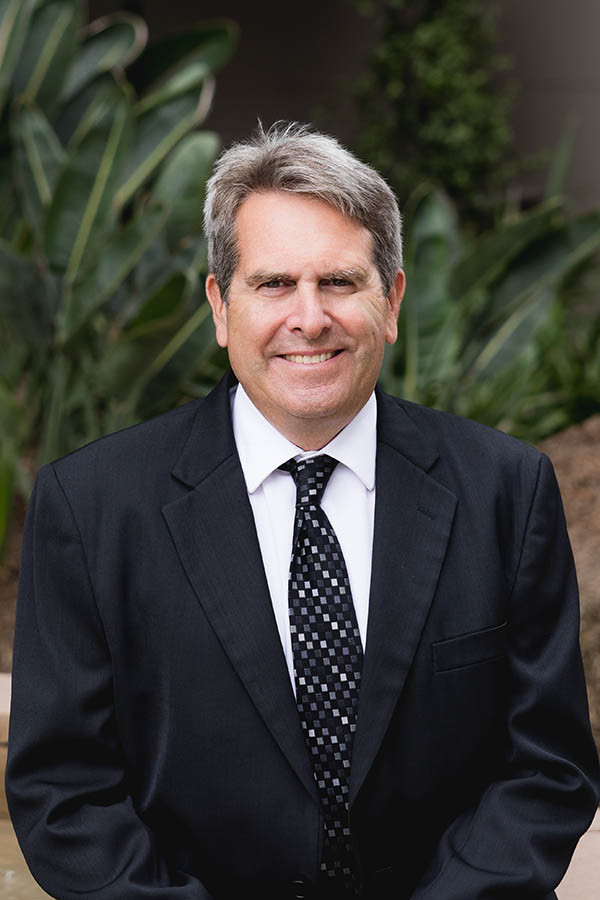
“High earners don’t just have more wealth — they have more complex wealth,” said Attorney C.R. Abrams. “Our role is to help clients align ownership, authority, and privacy so their families inherit clearly and smoothly, not through confusion or court delays.”

Why High Earners Need a Different Estate Plan
The guide notes that higher income shifts estate planning from basic documents to coordinated wealth control. As careers grow, estates often gain multiple asset classes, evolving family structures, and higher privacy needs — all of which require more precise planning than a simple will can provide.
A trust-centered framework is emphasized as the foundation for high-income households because it provides families with a private, organized path to inheritance and enables trustees to act quickly in the event of incapacity or death.
Equity Compensation Requires Timing-Specific Instructions
In regions like Redwood City and the Los Angeles tech corridor, equity compensation is often a defining component of wealth. Stock options, RSUs, and private shares don’t transfer smoothly unless your plan clearly states what exists, where it’s held, what restrictions apply, and who has legal authority to act inside employer portals. California’s own fiscal analysts note that equity pay (RSUs and options) is a major, growing part of tech compensation in the state — not a minor perk.
Because equity can shift rapidly with promotions, IPOs, acquisitions, or liquidity events, estate plans should be reviewed whenever major career or financial milestones occur.
Business Owners and Digital Brands Need Continuity Protection
The guide also addresses high earners who are owners, not only employees. When a business relies on a founder’s leadership or signature, estate documents must establish successor authority, transfer structure, and transition safeguards to maintain value stability and operational continuity.
Creators and influencers face similar continuity risks. Monetized channels, sponsorship contracts, and digital brands are tangible, income-producing assets that require clear ownership, income rights, and trustee access to avoid disruption.
Digital Assets Are Now Mainstream Wealth
Digital wealth is another urgent driver of planning updates. A 2025 survey found that about 21% of American adults now own cryptocurrency, indicating that digital assets are no longer niche holdings.
The guide explains that California’s RUFADAA law allows fiduciaries to access digital accounts only when authority is explicitly granted in estate documents. Without that clarity, heirs may be locked out of crypto wallets, online investment platforms, cloud-stored business files, or monetized accounts.
Real Estate and Prop 19 Add Pressure for High-Income Families
Many high earners also own multiple properties in California. The guide highlights how Proposition 19 changed inherited property tax rules, potentially increasing taxes when heirs keep homes as rentals or second properties. Trust structuring and real estate-specific planning can help families avoid forced sales and preserve long-term value.
Regional Insight Across Mission Viejo, Los Angeles, and Redwood City
The guide reflects estate realities across the firm’s three California markets:
Mission Viejo: High earners often combine family property, retirement wealth, and a closely held business.
Los Angeles: Estates may include real estate, royalties, digital brands, and complex family structures.
Redwood City & Silicon Valley: Clients frequently hold startup equity, RSUs, options, and digital IP.
The firm emphasizes that a single, intentionally designed trust plan can cover these assets across cities.
About The Law Offices of C.R. Abrams, P.C.
The Law Offices of C.R. Abrams, P.C., serves clients throughout California with offices in Mission Viejo, Redwood City, and Los Angeles. The firm provides comprehensive estate planning, probate, and trust administration services, helping high earners protect both traditional and digital wealth with clarity and care.
For more information, schedule a discovery call with us today.