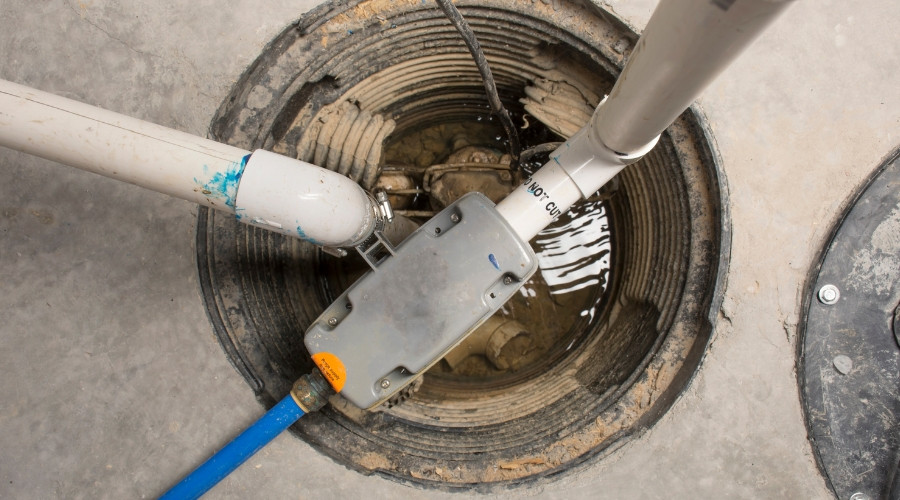
What Is a Sump Pump?
Heavy rain, rising groundwater, and plumbing failures can turn a basement into a costly mess in a short time. A properly designed sump pump system helps remove unwanted water from the space before damage spreads. This post covers the key benefits of sump pump installation, the common types of primary units, and reasons to invest in reliable backup protection.
Benefits of Sump Pumps
 A sump pump acts as a quiet guardian in the lowest level of a property. Water collects in the sump pump basin, and once it reaches a set level, the sump pump float switch activates the motor. The pump then pushes water away from the foundation, reducing hydrostatic pressure that can crack walls or floors over time.
Limiting standing water dramatically lowers the risk of basement flooding, especially in areas with poor drainage or high groundwater. Drier conditions help protect furniture, electronics, documents, and cherished keepsakes from moisture damage. Consistent pump performance also makes it harder for mold and mildew to take hold, which supports healthier indoor air and less musty odor. For homes with finished basements, a dependable sump pump becomes an essential layer in the overall protection plan.
Types of Primary Sump Pumps
 Most properties rely on one of two main primary pumps: a submersible sump pump or a pedestal sump pump. A submersible sump pump sits inside the basin, fully submerged in water during operation. This design typically provides more power and faster pumping capacity, making it suitable for heavier groundwater or frequent storms. Because the motor is underwater and enclosed, operation is usually quieter and less obtrusive. However, these units often cost more upfront and can be more complex to service or replace.
A pedestal sump pump positions the motor above the basin, with only the intake pipe inside the pit. This keeps the motor out of water, which can contribute to a longer average lifespan and easier maintenance access. Pedestal models are generally more affordable than submersible units, but they tend to be louder and less powerful, so they may not withstand severe water intrusion.
Secondary or Backup Sump Pumps
Even a well-sized primary pump cannot provide complete peace of mind without a contingency plan. Power outages, mechanical failures, or an overwhelmed pump can leave the basement vulnerable at the worst possible moment. A backup sump pump offers an extra layer of defense when the main unit cannot run.
A secondary pump might draw power from a dedicated sump pump battery backup system, allowing operation during electrical interruptions. A properly configured sump pump backup system can handle unexpected surges in water volume, reduce the risk of flooding during storms, and buy valuable time for repairing or replacing the primary pump.
About The Drain Fighter Jetting and Drain Cleaning Services
The trusted experts at the Drain Fighter Jetting and Drain Cleaning Services provide a comprehensive range of plumbing solutions to the communities of Capitol Heights and the surrounding areas. With same-day service and friendly, professional staff, it’s easy to see why they have hundreds of 5-star reviews on Google. Call them today for sump pump installation in Capitol Heights, MD.