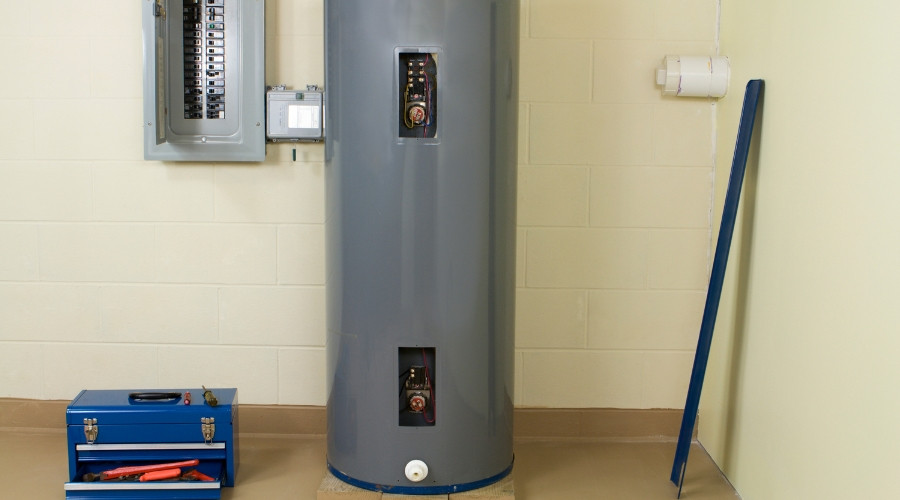
Don't Get Stuck Without Hot Water This Winter
A dependable water heater is easy to take for granted until showers turn cold or strange noises start coming from the tank. Ignoring early warning signs can lead to sudden breakdowns, higher utility bills, and even water damage. This guide walks through three major red flags that suggest water heater replacement should be on the horizon: temperature issues, visible leaks or corrosion, and old age or constant repairs.
Temperature Issues
Water heating problems often show up first as temperature changes at faucets and showers. If water temperatures swing from hot to lukewarm without adjusting the tap, or if hot water runs out much faster than it used to, the heater may be struggling to keep up. In electric models, worn elements can reduce output, while in gas units, burner or control problems can cause inconsistent heating.
A complete loss of hot water is an obvious sign that something is wrong with the water heater. Sometimes a repair, such as replacing a thermostat, element, or igniter, will restore function. However, when a unit is older or has a history of other problems, recurring temperature issues are a strong hint that the tank itself is nearing the end of its life. Persistent inconsistency or frequent cold showers often point toward planning a new water heater installation rather than continuing to patch the existing system.
Leaks or Corrosion
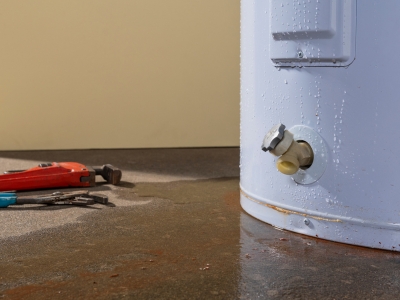 A leaking water heater is rarely a minor issue. Puddles or steady dripping around the base of the tank, or visible moisture on seams and fittings, indicate that water is escaping where it should not. While some leaks can come from valves or connections, a water heater leak caused by internal tank failure is usually not repairable and calls for full replacement. Left unaddressed, even a slow leak can damage floors, walls, and nearby belongings.
Signs of water heater corrosion should also be taken seriously. Rust-colored or discolored hot water, metallic-tasting water, or flakes of rust seen in the sink or tub can signal a corroded water heater. This happens as the steel tank and components break down from long-term contact with water. Once corrosion progresses past the protective anode rod, the tank wall itself becomes thinner and more vulnerable to leaks. At that point, water heater replacement is the safest and most practical option, since continued use increases the likelihood of a sudden rupture.
Old Age or Frequent Repairs
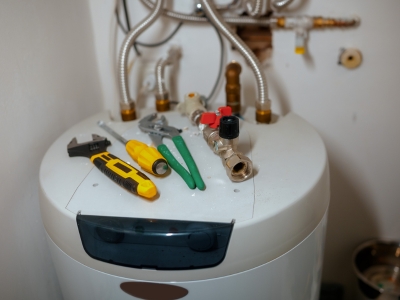 Traditional storage water heaters are not designed to last forever. When a tank-style unit is more than about 10 years old, it is reasonable to expect more issues as internal parts wear and sediment builds up. If new noises, temperature problems, or minor leaks begin appearing in an older appliance, it may be more sensible to invest in a new water heater than to keep repairing an aging one.
Frequent service calls are another clue. A heater that needs repair every year or two can become a money pit. Combining the cost of repeated fixes with higher energy use from an inefficient, aging system often shows that replacement is more cost-effective over the next several years. A properly sized, modern water heater offers improved performance, better efficiency, and a fresh warranty, bringing peace of mind back to daily water heating needs.
About Lambert Plumbing & Heating, LTD
Lambert Plumbing & Heating, LTD is one of Vancouver’s most respected plumbing, heating, cooling, and air quality companies, and with over four decades of expertise and expertly-trained technicians, it’s not hard to see why. Call them today for upfront pricing and on-time arrivals when you schedule water heater repair and replacement services in Vancouver, BC.