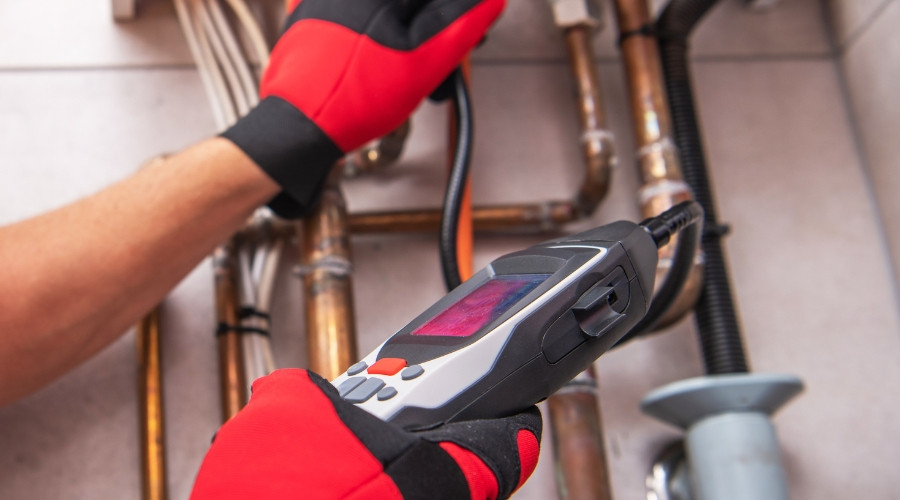
Stay Safe From Dangerous Gas Leaks by Identifying Them Quickly
Natural gas is an efficient fuel for heating, cooking, and hot water, but a damaged gas line can quickly turn from convenience to danger. Spotting early warning signs is essential so trained professionals can handle gas line repair or gas leak repair safely. This overview explains common signs of a gas leak, including unusual smells and sounds, changes in gas bills, and physical symptoms in people and pets.
Strange Smells or Sounds
 One of the most recognizable signs of a gas leak is a sudden, unusual odor. Natural gas is treated with an additive that smells like sulfur or rotten eggs, making leaks easier to notice. If that scent appears near a stove, furnace, water heater, or along exposed piping, it may signal that natural gas is escaping instead of remaining sealed inside the system.
Noise can provide another important clue. A hissing or whistling sound close to a gas line, appliance connection, or meter can indicate gas forced through a small crack or loose fitting. Sometimes this noise is faint and easiest to hear when the surrounding area is quiet. Any combination of sulfur-like odor and hissing near gas equipment should be taken seriously, and the area should be cleared while emergency services are contacted. A licensed technician can then inspect the system and complete appropriate gas line repair.
Higher Gas Bill
 Gas usage patterns also reveal important signs of a gas leak. If a gas bill suddenly increases despite similar day-to-day routines, it can suggest that natural gas is leaking somewhere in the system. Tracking monthly statements helps make unusual spikes easier to spot.
Comparing current charges with the same period from previous years offers useful context. Seasonal changes in heating demand can influence costs, but a sharp and unexplained jump may point to a hidden problem in a gas line or appliance. When that happens, a professional inspection can determine whether a leak is present or whether equipment inefficiency is wasting fuel. In either case, prompt attention improves safety and helps bring bills back to normal levels.
Physical Symptoms
A gas leak can affect the health of people and animals long before damage to equipment becomes obvious. When natural gas displaces oxygen in indoor air, residents may begin to experience gas leak symptoms even if the odor is faint.
Common gas leak symptoms for people include irritation of the eyes and throat, headaches, nausea, fatigue, dizziness, and difficulty breathing. Symptoms may improve after leaving the building and worsen again upon returning. Prolonged exposure can be especially dangerous, so any cluster of unexplained issues like these should prompt immediate evacuation and emergency assistance.
Pets are often more vulnerable because of their smaller size and time spent near the floor, where gas can accumulate. Warning signs in animals include loss of appetite, vomiting, weakness, breathing problems, or sudden changes in behavior. If both people and pets seem unwell in similar ways, particularly near gas-fired equipment, a leak should be suspected and the property should be left until professionals declare it safe. Afterward, certified technicians can carry out thorough gas leak repair to eliminate the hazard.
About Laney's Inc.
Laney's Inc. has over 65 years of experience offering top-rated plumbing, heating, cooling, air quality, and electrical services to Fargo and the neighboring communities. With upfront service, competitive pricing, and honest advice, Laney’s Inc. is your one-stop resource for all your plumbing and HVAC needs. Call them today to schedule gas line repairs and leak detection in Fargo, ND.