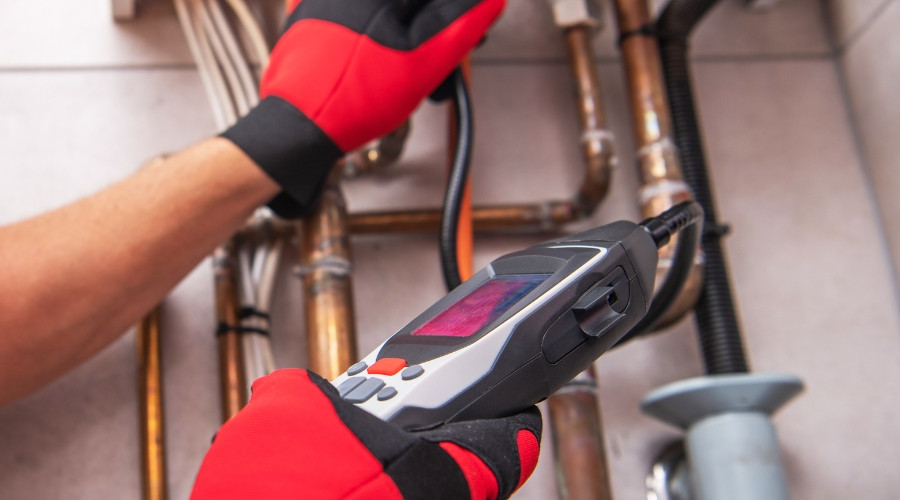
Stay Safe From Dangerous Gas Leaks by Identifying Them Quickly
Natural gas powers furnaces, water heaters, stoves, and dryers in many homes. When everything is sealed and working correctly, it is a safe, efficient fuel. When a gas leak develops, however, the situation becomes dangerous very quickly. Knowing the early signs of a gas leak helps residents evacuate promptly and call licensed professionals for gas line repair or gas leak repair. This guide reviews key warning signs, from smells and sounds to utility bills and health symptoms.
Strange Smells or Sounds
 Utilities add a strong odorant to natural gas so leaks are easier to detect. The smell is often described as sulfur-like or similar to rotten eggs. If that odor is noticeable around a gas appliance, meter, or exposed gas line, it may indicate that natural gas is escaping instead of remaining within the system. The scent may be faint at first and become stronger over time.
Sound can be just as revealing. Gas traveling under pressure through a small crack, loose fitting, or damaged section of piping often produces:
- A steady hissing noise near valves, regulators, or along a gas line
- A whistling or rushing sound where flexible connectors meet appliances
These noises are sometimes subtle and easiest to hear when the surrounding area is quiet. Any combination of sulfur-like odor and hissing at gas equipment is among the most serious signs of a gas leak and calls for immediate evacuation and emergency contact before professionals inspect the system.
Higher Gas Bill
 Not all leaks create noticeable smells or sounds, especially if they occur outdoors, underground, or in partially ventilated spaces. In such cases, the monthly gas bill can provide the first clue that something is wrong. When gas usage habits stay the same, but charges rise unexpectedly, extra fuel may be leaving the system through a hidden leak in a gas line or a malfunctioning appliance.
Tracking bills month to month makes these changes easier to spot. Comparing current usage to the same period in previous years can help separate normal seasonal changes from unexplained spikes. A persistent, unexplained increase should prompt a professional evaluation of the natural gas system, including appliances and piping. Early detection and gas line repair reduce waste and improve safety.
Physical Symptoms
Gas leaks can affect the health of both people and pets. As gas displaces oxygen in the air, occupants may begin to experience gas leak symptoms even before a strong odor is noticed. In people, these may include:
- Eye, nose, or throat irritation
- Headaches, dizziness, or lightheadedness
- Nausea, fatigue, or confusion
- Shortness of breath or other breathing difficulties
Pets are often more vulnerable because of their smaller size and tendency to remain closer to the floor, where gas can accumulate. Warning signs in animals include:
- Loss of appetite or refusal to eat
- Vomiting, drooling, or unusual lethargy
- Difficulty breathing or rapid, shallow breaths
- Sudden changes in behavior or coordination
If several people or pets in the same building develop unexplained symptoms at the same time—especially in areas where gas appliances operate—a leak should be suspected. The safest response is to leave the property immediately, contact emergency services, and arrange for prompt gas leak repair once the area has been declared safe.
About Plumb Perfect Plumbing
Plumb Perfect Plumbing provides a comprehensive range of plumbing services in Fredericksburg and the neighboring areas, 7 days a week, backed by over 20 years of experience. They are BBB-accredited, and their highly trained plumbers are polite and professional. Call them today for flat rate pricing when you schedule gas line services in Fredericksburg, VA.