Don't Get Stuck Without Hot Water This Winter
Hot water is woven into daily routines, so when the water heater starts to struggle, life around the house quickly feels the impact. Deciding when a unit can be repaired and when a full water heater replacement makes more sense is easier with a checklist of warning signs. This guide looks at three key areas that often indicate a tank-style heater is nearing the end of its useful life: temperature problems, leaks and corrosion, and age or repeated breakdowns.
Temperature Issues
In many homes, the first sign of trouble is a change in water heating performance. A healthy system should deliver a steady stream of hot water at a predictable temperature. When that consistency disappears, something inside the water heater may be failing.
Common temperature-related red flags include:
- Inconsistent or fluctuating water temperatures while fixtures are in use
- No hot water at all, despite power or gas supply being available
- Hot water that runs out after just a short shower or a single load of laundry
These problems can stem from failing thermostats, worn heating elements or burners, or heavy sediment buildup inside the tank that interferes with heat transfer. Single issues can sometimes be corrected, but persistent or worsening temperature problems—especially on an older unit—often suggest that planning for new water heater installation is the more dependable and cost-effective route.
Leaks or Corrosion
 Water and metal do not mix well over the long term, and a leaking water heater is a serious warning sign. Pooled water around the base, damp insulation on the outside of the tank, or steady drips from seams usually mean that the tank itself or internal fittings are no longer sound. Even a small water heater leak can damage floors, wallboard, and belongings if left unaddressed.
Corrosion is closely connected to leaks. Over time, internal protective coatings and anode rods wear away, leaving steel components exposed. Telltale signs of water heater corrosion include:
- Rust-colored or discolored hot water at taps
- Hot water with a metallic smell or taste
- Visible rust streaks, bubbling, or flaking on the tank exterior
Once the shell becomes a corroded water heater, the risk of a sudden rupture increases. Because leaks are commonly caused by advanced corrosion that cannot be reversed, replacing the entire unit is usually the safest and most practical choice. This prevents both ongoing damage and the possibility of a large, unexpected release of water.
Old Age or Frequent Repairs
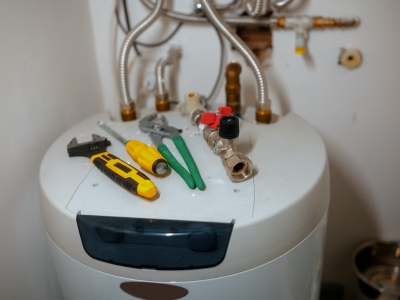 Traditional storage water heaters are not intended to last indefinitely. When a tank-type unit is more than about 10 years old, internal wear and sediment buildup begin to take a toll. If that older heater starts showing symptoms such as odd noises, cloudy water, or minor leaks, it is likely operating near the end of its designed lifespan.
Frequent repair calls are another strong indicator that replacement is needed. If different components fail year after year—pressure relief valves, thermostats, igniters, or elements—the total cost of patching the system can quickly add up. In many cases, replacing the aging heater provides better long-term value than continuing to invest in short-term fixes. Modern water heaters generally offer improved efficiency, more reliable performance, and the reassurance of a new warranty.
About Plumb Right
Plumb Right offers a comprehensive range of top-rated plumbing and heating solutions in Brooklyn Park and the neighboring areas. With a customer-focused approach and same-day service from trusted technicians, customer satisfaction is 100% guaranteed. Call them today for water heater repair and installation in Brooklyn Park, MN.