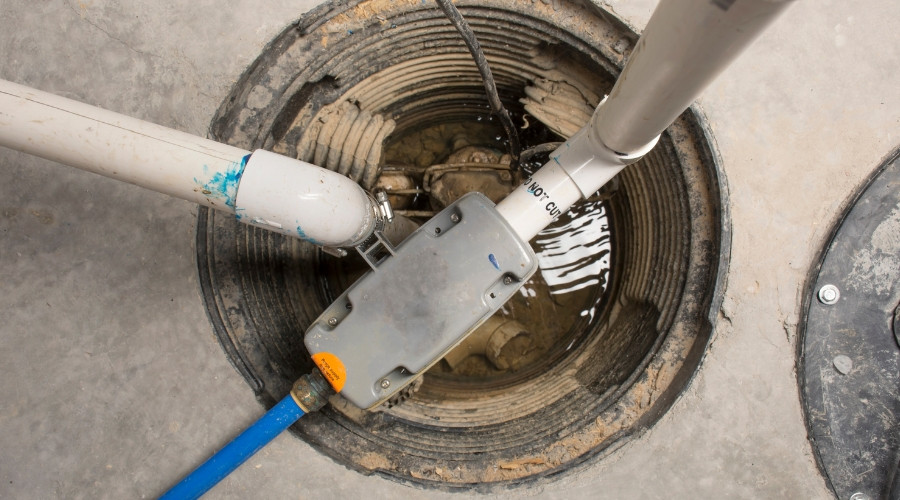
What Is a Sump Pump?
Heavy rains, snowmelt, and rising groundwater can quickly turn a dry basement into a costly mess. One of the best defenses against this kind of damage is a properly designed sump pump installation. By collecting and removing water before it spreads, a sump pump helps protect the structure of the house, the contents inside, and the overall air quality. This overview explains how sump pumps help, compares primary pump styles, and highlights why a backup system is often recommended.
Benefits of Sump Pumps
 A sump pump sits in a sump pump basin set at the lowest point of a basement or crawl space. Drainage lines or natural grading direct water into that basin. When the water level rises, a sump pump float switch activates the pump, which discharges water through a pipe to a safe location outside the foundation.
The most obvious benefit is flood prevention. Instead of water spreading across the floor and soaking walls, flooring, and stored items, it is captured and pumped away. This reduces the need for extensive cleanup and lowers the risk of long-term moisture problems.
Consistent pumping also supports the integrity of the foundation. Removing water from around footings and under slabs reduces hydrostatic pressure, which helps limit cracking and shifting.
By keeping the area drier, a sump pump also discourages mold and mildew growth. Persistent dampness is one of the main drivers of basement odors and mold colonies, which can spread to other parts of the house. Effective water control makes it easier to maintain healthier indoor air.
Types of Primary Sump Pumps
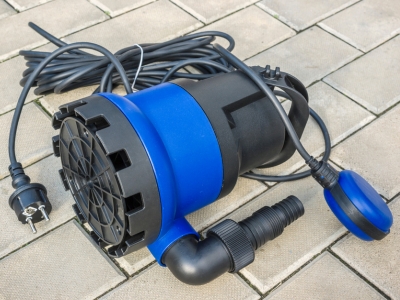 Most residential systems use one of two primary pump types: the submersible sump pump or the pedestal sump pump. Each has strengths and trade-offs.
A submersible sump pump operates entirely underwater in the basin. Its sealed motor housing allows quiet operation, and many models offer strong pumping capacity, making them suitable where significant water inflow is expected. Because sound is muffled by the pit and surrounding water, this design is often preferred in finished basements. However, submersible units generally cost more and require removal from the basin for major service.
A pedestal sump pump positions the motor above the basin on a tall stand, with only the intake pipe extending into the water. This keeps the motor out of standing water and makes access easier. Pedestal models are usually more affordable and can deliver a long lifespan, but they tend to be less powerful than comparable submersible pumps and may run louder, since the motor is exposed in the open air.
Choosing between these options depends on factors such as expected water volume, noise tolerance, available space, and budget.
Secondary or Backup Sump Pumps
Even a well-maintained primary pump can fail or be overwhelmed during extreme weather. Power outages, mechanical issues, or unusually high water levels can all occur at the worst possible time. That is why many homeowners install a backup sump pump in addition to the main unit.
A common approach is to place a second electric pump in the same sump pump basin with its own float switch set slightly higher. If the water rises beyond the primary pump’s capacity, the backup unit engages to help handle the load.
Another layer of protection is a sump pump battery backup. In this configuration, a dedicated pump runs on stored energy when grid power fails. A battery-powered sump pump backup is especially useful in areas where storms routinely knock out electricity.
By combining a dependable primary pump with a carefully planned backup system, basements gain multiple lines of defense against flooding and the damage that follows.
About Plumbing Techs
Plumbing Techs is a top-rated, customer-focused plumbing company with over 6000 happy customers in Wixom and the surrounding areas. Their trusted technicians arrive on time and utilize the latest technology to meet all your plumbing needs. Call them today to schedule sump pump services in Wixom, MI.