
The Hidden Meanings Behind the World's Money Designs
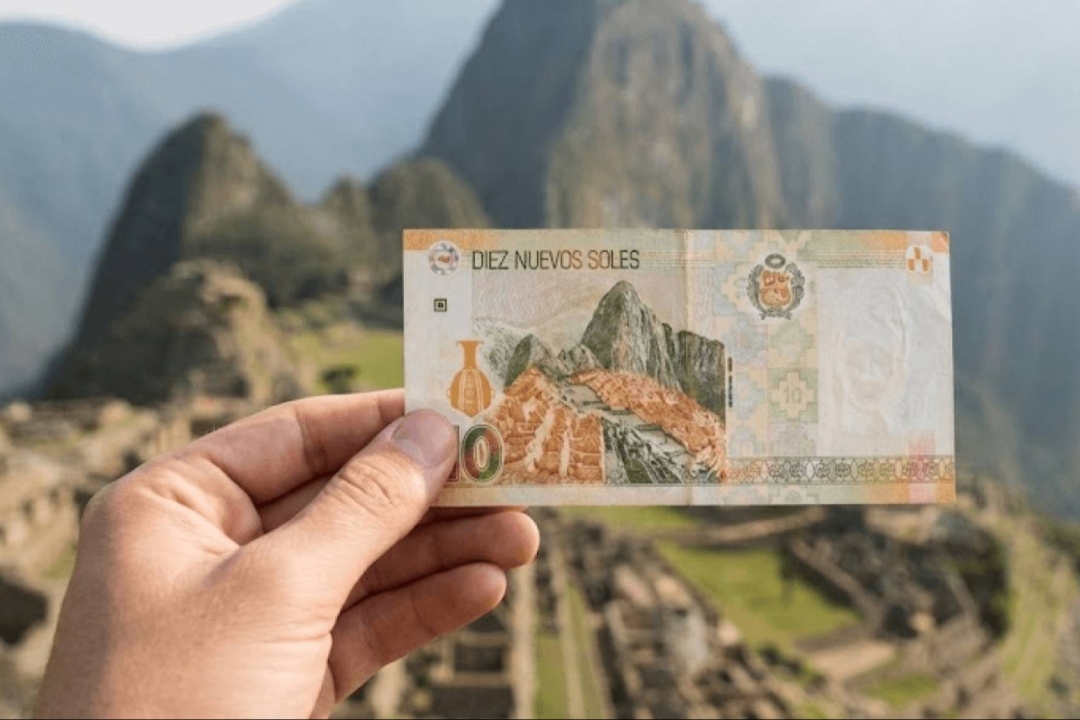
Buena Park, California - January 19, 2026 - Beyond its economic function, money acts as an everyday reminder of national identity. A recent study conducted by Ria Money Transfer on the design of currencies shows that countries use their banknotes to project values, priorities, and cultural narratives, turning them into a constant and silent form of nation branding.
Five ways countries represent their identity with banknotes
Ria Money Transfer’s study identifies five major symbolic categories that showcase how a country aspires to represent itself both domestically and abroad.
·History and national heritage account for 38.5% of the symbols analysed, making them the primary choice for representing a nation’s identity. Historical leaders, independence processes, and foundational monuments are the most widely used symbols in this category.
·Nature and the environment account for 23.1% of banknotes studied. This category features animals, landscapes, and ecosystems as symbols of a country's natural heritage, and highlights the pride for local landscapes, environment, and biodiversity.
·Science and progress account for 15.4% of the monetary designs. This category includes modern infrastructure, scientific figures, and references to technological development, reflecting how some countries associate their identity with innovation and modernization.
·Art and architecture also make up 15.4% of banknote designs, highlighting achievements in the humanities and emphasizing heritage elements as points of symbolic positioning and visual differentiation.
Finally, unity and shared identity appear in 7.6% of banknotes studied, mainly through abstract symbols that aim to represent collective or universal values.
Money as an everyday exhibit for nation branding
Unlike many other communication tools at the disposal of governments and countries, banknotes and coins circulate constantly both within and beyond national borders. According to the analysis, this exposure makes money one of the most repeated and visible ambassadors of a country’s brand.
“Money design is not neutral,” the study notes. “It reflects which aspects of identity each society chooses to put into circulation alongside economic value.”
Monetary design has different strategies but the same result
The full study clearly details how all symbolic categories are distributed across each of the currencies analysed, along with visual examples of their current designs. It included multiple leading currencies such as the U.S. dollar, the euro, the British pound, the Japanese yen, the Canadian dollar, the Indian rupee, and the South African rand, among others.
This comparative approach allows us to observe how different economies value history, landscapes, innovation, culture, and shared values in the construction of their national identity. And even though many designs could be categorized into common ‘buckets’, it was clear that each was still unique in its own way and showed there is no single way to construct national identity.
Information contained on this page is provided by an independent third-party content provider. XPRMedia and this Site make no warranties or representations in connection therewith. If you are affiliated with this page and would like it removed please contact [email protected]
