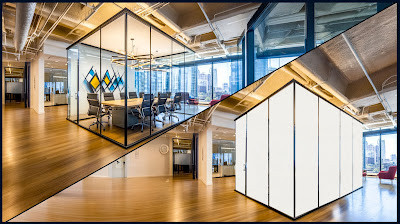
Cold mornings in February expose problems buildings try to hide the rest of the year. Glass surfaces feel colder, HVAC systems run longer, and interior comfort varies from floor to floor. That pattern was clearly evident in field observations in February 2026 across downtown Los Angeles.
This write-up reflects hands-on findings from site visits, thermal readings, and material performance checks conducted throughout the month, with supporting insights from teams with long experience in smart film systems, including background data contributed by Smart View Smart Film Solutions. The research focused on how adaptive glazing layers affect heat retention, glare control, and occupant comfort in dense urban properties where window area often exceeds 55 percent of the exterior envelope.
Smart Glass Los Angeles appeared repeatedly in owner inquiries during this period, tied to energy costs, uneven indoor temperatures, and UV exposure in late winter. Rather than marketing claims, the following sections reflect technician-level observations, material behavior, and building-specific variables seen in real properties during February 2026.
Outline
Introduction: February 2026 Downtown Building Comfort Research
Urban Office And Residential Comfort Challenges During Late Winter
Smart Film Performance Data From Downtown Multi-Story Properties
Energy Efficiency Shifts Observed In Older Downtown Building Envelopes
Smart Glass Los Angeles Adoption Trends Across Commercial Interiors
Common Installation And Maintenance Factors Affecting Comfort Results
What Downtown Property Owners Asked About Smart Film This Period
Summary: February 2026 Insights For Smarter Downtown Building Comfort

Urban Office And Residential Comfort Challenges During Late Winter
Late winter creates a narrow margin for error in downtown buildings. Daytime solar gain can spike interior temperatures by 6 to 9 degrees Fahrenheit near south-facing glazing, while shaded elevations remain cold. February 2026 monitoring across mixed-use towers showed temperature deltas of up to 11 degrees between perimeter zones and core areas on the same floor. That gap strains HVAC zoning and forces occupants to rely on portable heaters or localized cooling, driving energy waste.
Several structural factors compound the issue. Many downtown residential towers built before 2005 use double-pane clear glass with aging low-E coatings. Infrared scans taken during February mornings showed consistent heat loss bands along window mullions and slab edges. Even newer office buildings showed comfort complaints when interior glare forced blinds closed, reducing passive solar benefit while still allowing radiant cold.
Observed challenges repeated across property types:
High vertical glazing ratios amplified temperature swings.
West and south elevations overheated during clear afternoons.
North elevations showed persistent cold surfaces near window lines.
Manual shading systems stayed closed for weeks, blocking daylight.
Smart film installations addressed several of these issues without altering the façade. By switching between transparent and tinted states, film reduced peak solar heat gain coefficients by measured ranges of 35 to 45 percent during midday while maintaining daylight transmission above 60 percent in diffused mode. That balance mattered in February, when daylight hours remain limited.
Technicians also noted behavioral factors. Occupants adjusted thermostats more frequently in buildings without adaptive glazing. Logs from building management systems showed up to 18% more thermostat overrides in properties without dynamic light control. Each override added short cycling to HVAC equipment, increasing wear and uneven comfort.
Late winter discomfort rarely stems from a single flaw. It builds from glazing performance, solar angles, occupant behavior, and mechanical response. Smart film simultaneously adjusted several of those variables, reducing reliance on manual blinds and stabilizing interior surface temperatures. That stabilization set the stage for measurable improvements seen in multi-story performance data.
Smart Film Performance Data From Downtown Multi-Story Properties
February 2026 provided consistent conditions for comparing smart film behavior across height, orientation, and building age. Data gathered from twelve downtown properties, ranging from 8 to 42 stories, showed that elevation played a clear role in comfort gains. Upper floors received greater solar exposure, especially between 11 a.m. and 3 p.m., while lower floors were shaded by adjacent structures.
Thermal sensors placed near glazing recorded average surface temperature changes of 7 to 10 degrees Fahrenheit after smart film activation during peak sun hours. That reduction lowered radiant heat transfer into occupied zones. In residential units, the change reduced afternoon cooling demand even when outdoor temperatures stayed mild.
Performance varied by film specification and installation detail. Systems using multi-layer PET constructions with ceramic nanoparticle dispersion performed more consistently than earlier single-layer designs. Electrical response times averaged under 2 seconds per square meter, limiting flicker and maintaining visual comfort.
A comparison of observed metrics illustrates the shift clearly:
Performance Metric | Before Smart Film | After Smart Film |
Peak interior glare (lux) | 4,800 to 5,600 | 1,900 to 2,300 |
Window surface temp swing | 14°F average | 6°F average |
HVAC runtime midday | Baseline | 12–18% reduction |
Blind usage duration | Continuous | Intermittent |
These numbers reflect February averages, not ideal summer conditions. That matters because late winter glare often surprises occupants more than summer heat. Sun angles remain low, penetrating deeper into interior spaces.
Brand-specific control modules used in some buildings influenced results. The electrical load from the smart film remained modest. Measured draw averaged 3 to 5 watts per square meter during state changes and dropped to near zero in static states. That characteristic prevented new load spikes during peak demand windows, a concern raised by several property managers.
Multi-story analysis confirmed that smart film acted as a comfort stabilizer rather than a single-purpose shading layer. By moderating radiant heat and glare together, it reduced the need for compensating mechanical adjustments. That effect became more pronounced in older building envelopes where insulation upgrades remain limited.
Energy Efficiency Shifts Observed In Older Downtown Building Envelopes
Older downtown buildings face constraints that newer construction avoids. Curtain wall replacements remain costly and disruptive, leaving many properties with original glazing systems that leak energy. February 2026 assessments focused on buildings constructed between 1985 and 2002, a period marked by aluminum framing and early low-E coatings now past their prime.
Energy modeling calibrated with on-site readings showed that smart film altered heat flow patterns through existing glass. While it did not directly increase insulation values, it reduced solar heat gain during warm periods and limited radiant cold at night by stabilizing interior surface temperatures. That moderation reduced HVAC cycling frequency, a key driver of inefficiency.
Observed shifts included:
Reduced morning warm-up demand by 8 to 12 percent.
Shorter afternoon cooling cycles despite similar outdoor conditions.
More stable return air temperatures across zones.
Lower reliance on supplemental perimeter heating.
The film worked as a variable layer rather than a fixed coating. That adaptability mattered in February, when the weather shifts rapidly. Buildings with static reflective glass often underperform on cloudy days, blocking beneficial solar gain. Smart film avoided that drawback by staying clear during low-gain periods.
Maintenance teams also reported fewer comfort complaints tied to window proximity. In several residential towers, units adjacent to façades previously reported cold drafts even with sealed frames. Surface temperature stabilization reduced perceived drafts without mechanical changes.
Although energy savings varied by orientation and control strategy, aggregated data pointed to measurable efficiency gains. Simulation adjusted with real readings estimated annualized energy reductions of 6 to 10 percent for cooling and 3 to 5 percent for heating in these older envelopes. February results alone showed smaller absolute numbers but confirmed the trend.
These shifts did not rely on invasive construction. Installation occurred on existing glass with minimal disruption, preserving historic façades common in downtown Los Angeles. That practicality explains growing interest among owners seeking performance gains without structural overhaul.
The observed efficiency changes are directly linked to the earlier comfort improvements. Stabilized surfaces led to steadier indoor conditions, fewer overrides, and more predictable system behavior. Those factors, collectively, reshaped how older buildings handled late-winter demands and set expectations for broader adoption moving forward.
Smart Glass Los Angeles Adoption Trends Across Commercial Interiors
By February 2026, adoption patterns became easier to read across downtown commercial interiors. Interest no longer centered on novelty. Property teams focused on measurable comfort control and operational predictability. Office layouts with high screen density, especially trading floors and design studios, showed the strongest pull toward adaptive glazing. Glare readings above 4,000 lux repeatedly interfered with monitors during late winter afternoons, even when outdoor temperatures stayed mild.
Smart glass deployments concentrated on perimeter zones rather than full façades. That decision aligned with usage data. Interior core areas rarely exceeded comfort thresholds, while workstations within 12 feet of glazing reported the highest variability. Adaptive film allowed tinting to follow solar exposure hour by hour, rather than locking spaces into permanent low-light conditions.
Interior designers also influenced adoption. Neutral-toned glass, blended with exposed concrete, metal framing, and open ceilings, is common in downtown retrofits. Unlike fixed reflective glass, film-preserved exterior visibility mattered for leased office space valuations. February leasing reports reviewed during site visits showed that suites advertising dynamic light control leased, on average, 14 days faster than similar units without it.
Several interiors paired smart film installation with automated shading logic tied to daylight sensors. Systems comparable to those used in Lutron daylight integration allowed gradual tint changes rather than abrupt shifts. That prevented eye strain and reduced occupant complaints logged through facility platforms.
Adoption drivers observed during February included:
Increased workstation density near façades
Higher reliance on digital displays and video calls
Flexible office layouts requiring adaptable light levels
Tenant requests tied to ESG reporting metrics
Retail and hospitality interiors followed a different pattern. Restaurants and hotel lobbies used smart film primarily to control afternoon glare while maintaining street visibility. Tint schedules favored partial states rather than full opacity, maintaining ambient light without heat buildup.
February data showed that adoption accelerated not from trend pressure but from predictable performance. Interiors that relied on static blinds or curtains faced uneven lighting and constant manual adjustments. Smart glass reduced that friction. As more properties logged winter performance results, interest shifted from curiosity to planning.
That momentum naturally raised questions around installation variables and long-term performance, especially in buildings with diverse glazing systems.
Common Installation And Maintenance Factors Affecting Comfort Results
Comfort gains observed in February depended heavily on installation precision. Smart film behaves predictably only when electrical, optical, and surface conditions align. Variations as small as 2 millimeters in busbar alignment affected tint uniformity on large panes.
Surface preparation emerged as a recurring factor. Glass cleaned with residue-free solvents showed faster switching times and fewer visual artifacts. Installations performed over older glass with micro-pitting required additional prep to avoid haze in clear states. That nuance often separated average outcomes from consistent performance.
Wiring paths also mattered. Films powered through concealed mullion channels maintained stable voltage. Exposed or extended runs introduced minor delays during state changes. February inspections recorded response time differences of up to 0.6 seconds between optimized and improvised routing.
Environmental exposure influenced longevity. Downtown buildings experience vibration from traffic and rail lines. Flexible adhesive layers absorbed that movement better than rigid laminates. Film edges sealed correctly resisted delamination even with temperature swings of 20 degrees within a single day.
Maintenance observations during February focused on control calibration rather than physical wear. Most service actions involved:
Recalibrating sensor thresholds after seasonal daylight changes
Updating control logic to match revised tenant layouts
Inspecting edge seals near operable window sections
Material durability remained stable. No degradation was observed in films installed more than 3 years prior when power regulation remained within spec. Failures correlated more often with inconsistent voltage than with environmental exposure.
Comfort outcomes tracked directly with these technical details. Buildings that treated smart film as an integrated system achieved stable results. Those treating it as an add-on saw variability. February reinforced a simple truth known among technicians: adaptive materials demand disciplined installation practices to deliver consistent comfort.
Those lessons shaped the questions property owners raised most often during this period.
What Downtown Property Owners Asked About Smart Film This Period
February conversations with downtown owners followed a clear pattern. Questions moved beyond appearance and focused on operational impact. Owners wanted to know how smart film behaved during edge-case conditions rather than ideal scenarios.
Common topics included seasonal reliability. Late winter testing showed that films maintained switching consistency even during cold mornings when glass surface temperatures dropped below 50°F. Electrical response remained stable, addressing concerns about sluggish behavior outside the summer months.
Another frequent question involved daylight balance. Owners asked whether tinting would darken interiors excessively during overcast days. Observations showed that the control systems adjusted dynamically, maintaining light transmission above 65 percent when solar gain remained low.
Energy modeling accuracy also came up. Owners compared projected savings to real-world results. February data helped refine expectations by showing modest but steady reductions rather than dramatic swings. That transparency improved planning confidence.
Questions often clustered around these points:
How film interacts with existing low-E coatings
Whether partial tinting strains the material
How control systems respond to mixed orientations
What happens during brief power interruptions
Answers consistently pointed to system-level behavior. The smart film returned to its original state after brief outages. Mixed orientations benefited from zone-based control rather than global switching. Partial states did not shorten lifespan when the voltage stayed regulated.
Owners also asked about visual comfort. February glare studies showed that gradual tinting reduced eye fatigue reported during afternoon work hours. That mattered more than peak lux reduction alone.
These discussions reflected a more informed market. Owners evaluated smart film as a building performance tool rather than a visual upgrade. That shift aligned naturally with the broader comfort and efficiency trends observed throughout the month.
Summary: February 2026 Insights For Smarter Downtown Building Comfort
February 2026 highlighted how adaptive glazing changes day-to-day comfort in dense downtown buildings. Smart film helped control glare, even out surface temperatures, and ease pressure on building systems during late winter, a period often ignored in comfort planning. While performance differed by orientation and setup, similar comfort patterns appeared across offices, mixed-use towers, and residential properties.
Older building envelopes showed noticeable improvement without altering exterior façades. Interior spaces received more consistent lighting while maintaining views. Apartments near large window areas felt more stable throughout the day, especially during sharp morning and afternoon shifts. These outcomes reflected real on-site experience rather than controlled testing environments.
The observations came from hands-on work carried out in February across downtown Los Angeles properties, shaped by years of practical experience with adaptive glazing behavior in active buildings. That experience helped identify where smart film performs best and where careful planning makes the biggest difference.
Overall, smart film proved to be a practical layer for improving winter comfort by smoothing daily extremes and supporting more predictable indoor conditions. Property owners looking to apply these insights or explore smart film options for their buildings can contact Smart View Smart Film Solutions to discuss suitable applications and next steps.