
Understanding the Basics of Motor Oil
Jenkins Car Care, a trusted name in Cedar Hill auto repair, has released a new educational article focused on one of the most debated questions in car maintenance: synthetic vs. conventional oil. The blog, titled "Synthetic vs. Conventional Oil: What Cedar Hill Drivers Need to Know", is written to guide car owners through the facts behind each oil type.
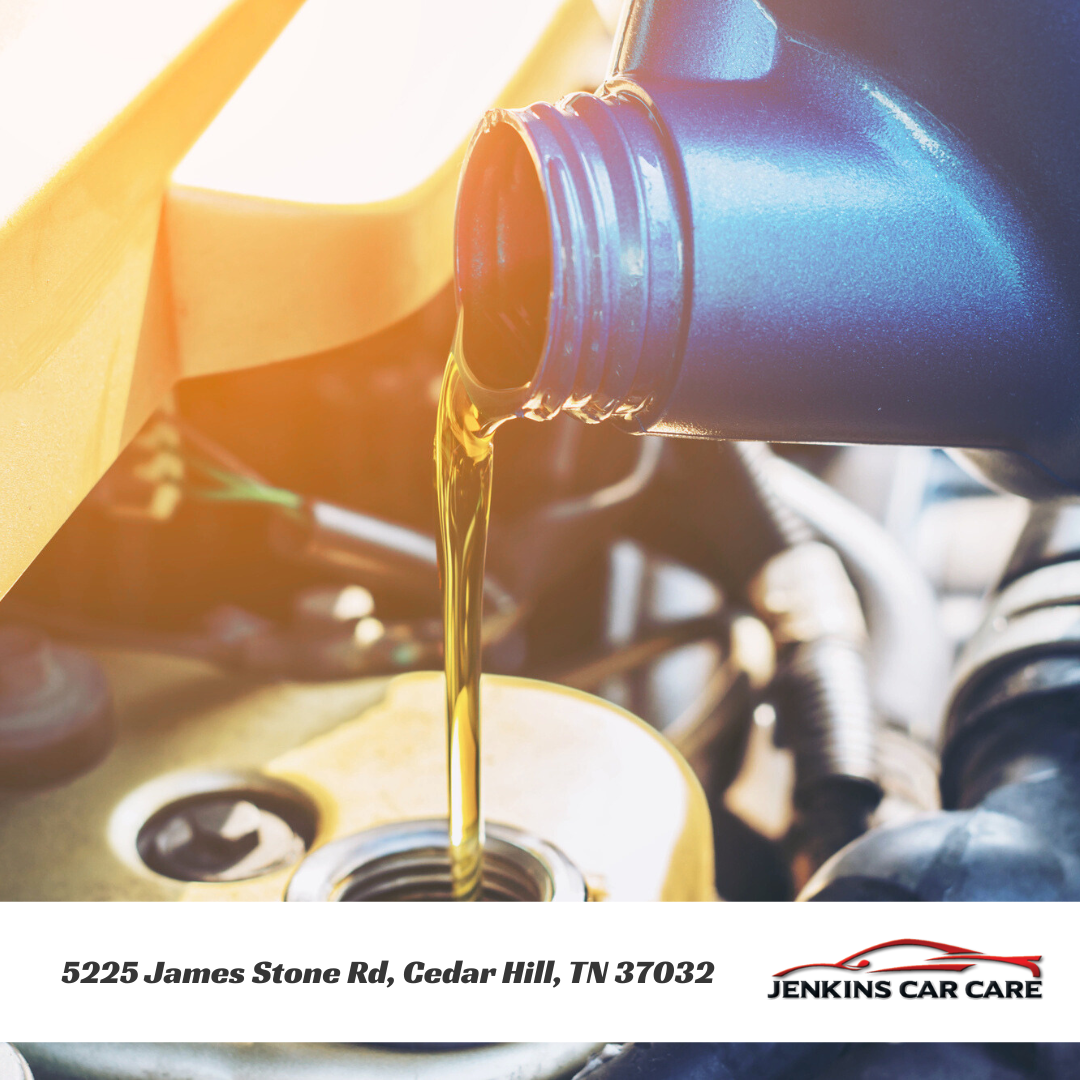
Motor oil is the lifeblood of any engine, ensuring that all moving parts stay lubricated, cool, and protected from wear. Over time, oil breaks down, collects contaminants, and loses its ability to protect your engine effectively. This is why regular oil changes are a crucial part of vehicle maintenance—and choosing the right oil is equally important.
Why Oil Type Matters for Cedar Hill Drivers
While both synthetic and conventional oils originate from crude oil, the refinement process and chemical composition differ significantly. Synthetic oils are manufactured with controlled processes that create a more uniform molecular structure, giving them enhanced stability and performance. This results in better protection against engine wear, superior performance in extreme temperatures, and longer intervals between oil changes.
In contrast, conventional oils are refined more simply and contain more impurities. While they still meet industry standards, they can break down faster, especially under high heat or cold conditions. However, conventional oil can still be a practical choice for older engines or for those who prioritize cost over performance.
Daniel Jenkins, owner of Jenkins Car Care, emphasizes, "Our customers often ask us which oil they should use. This blog simplifies that choice by comparing benefits, costs, and recommendations in an easy-to-understand format."
Choosing the Right Oil for Your Vehicle
The choice between synthetic and conventional oil should be based on a variety of factors including your vehicle's age, your driving habits, and the local climate. In Cedar Hill and nearby towns like Springfield and Clarksville, drivers experience a range of weather conditions—from humid summers to chilly winters—which can influence oil performance.
Synthetic oil is often recommended for modern engines, turbocharged vehicles, and drivers who tow or drive in stop-and-go traffic frequently. Its resistance to thermal breakdown makes it ideal for high-stress conditions. For vehicles still under warranty, following the manufacturer’s recommendation for oil type is especially important to avoid voiding coverage.
On the other hand, if you drive an older model car that doesn’t require high-performance oil and you’re diligent about regular oil changes, conventional oil may be sufficient. It’s also less expensive, which can be attractive for budget-conscious vehicle owners.
Real-World Considerations and Expert Recommendations
Many drivers believe that switching from conventional to synthetic oil—or vice versa—can harm the engine. This is a common myth. In reality, as long as the oil meets your vehicle manufacturer’s specifications, switching is perfectly safe. However, Jenkins Car Care advises checking for any leaks or worn seals in older engines before making a switch, as synthetic oil may reveal existing issues due to its higher cleaning properties.
Drivers should also be aware of "synthetic blends," which combine characteristics of both oil types. These blends offer some benefits of synthetic oil at a lower price point and can be a good middle-ground option for some vehicles.
Professional Oil Change Services in Cedar Hill
To ensure maximum engine protection and long vehicle life, Jenkins Car Care recommends consulting with an experienced technician when making decisions about oil type. The team offers personalized service, taking into account your vehicle type, mileage, and usage patterns.
Jenkins Car Care’s oil change service includes a thorough inspection, fluid top-offs, and the use of high-quality oil and filters. The shop also provides digital service records for added transparency and customer convenience. With their ASE-certified status and 12-month/12,000-mile warranty, drivers can trust their vehicle is in capable hands.
To explore more about the differences and benefits of both options, read the full blog post: Synthetic vs. Conventional Oil: What Cedar Hill Drivers Need to Know.