
Sterling Cleaners Warns Consumers Against DIY Treatment of Tough Holiday Stains
Professional Dry Cleaning Urged for Seasonal Garment Mishaps
WASHINGTON, D.C. — Sterling Cleaners, a premium dry cleaning service based in Washington, D.C., is advising consumers to avoid treating certain holiday-related stains at home, warning that improper handling can permanently damage fabrics faster than the stain itself.
According to the company, familiarity with everyday laundry routines does not always translate to the care required for special-occasion clothing. Holiday garments often involve delicate fabrics, structured tailoring, or specialty finishes that demand a different cleaning approach. Many seasonal spills require professional-grade solvents and controlled processes to prevent long-term damage.

Red Wine and Dark Berry Sauces Pose Immediate Fabric Risks
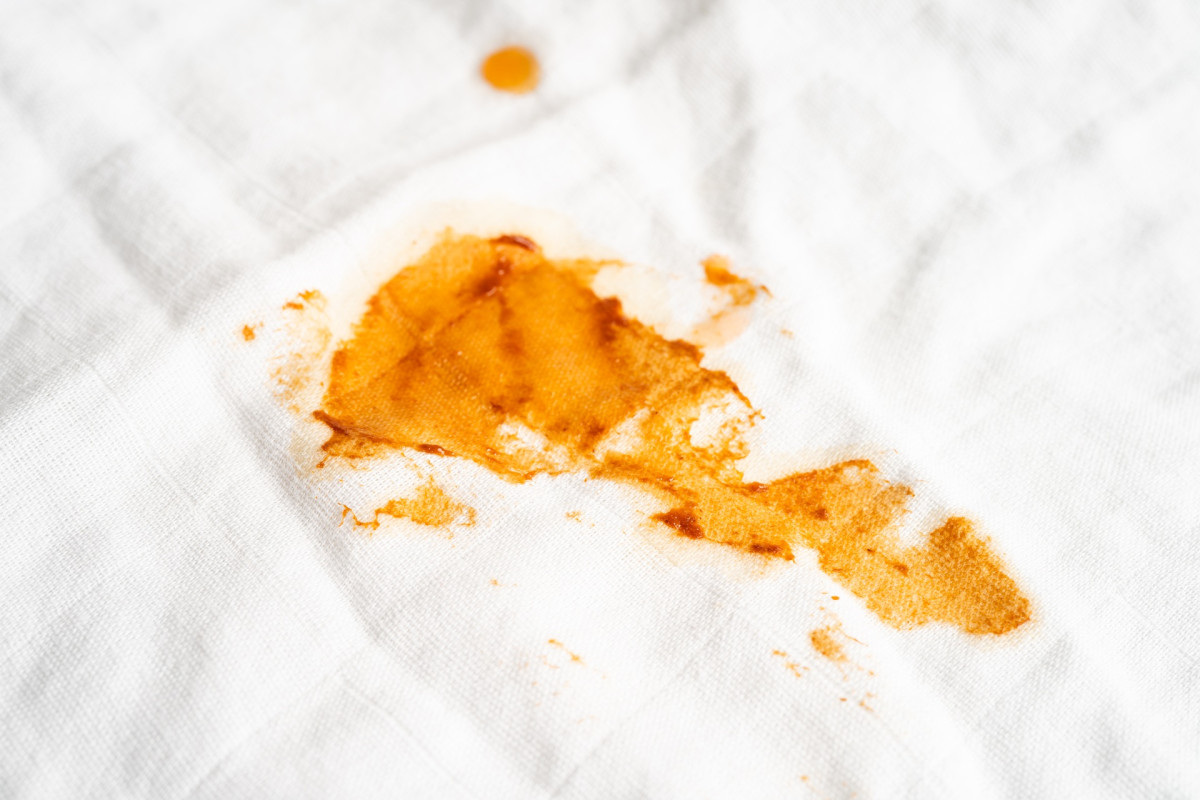
Holiday meals commonly feature red wine, cranberry sauce, and dark berry-based dishes, all of which present significant risks to clothing. These stains do not simply rest on the surface of fabric; they penetrate fibers quickly, intensify as they dry, and often become more noticeable the following day. What may appear as a minor spill can turn into a permanent mark if treated incorrectly.
Why These Stains Are Difficult to Treat at Home
Sterling Cleaners explains that many at-home stain removal attempts rely on water-based solutions, which can worsen red wine and berry stains. These methods often cause tannins and dyes to spread outward rather than lift, leading to permanent rings, uneven discoloration, and dye migration—especially on lighter or textured fabrics. In some cases, oxidation causes stains to darken after drying, even if they initially appear lighter. Aggressive scrubbing further increases the risk of fiber damage.
How Professional Cleaning Delivers Better Results
Professional dry cleaning uses specialized stain removers designed to neutralize tannins without forcing pigment deeper into the fabric. By carefully controlling moisture levels, professionals prevent halos, color bleeding, and uneven absorption, restoring garments without visible residue.
Candle Wax and Soot Require Controlled Removal
Candles play a central role in holiday décor, but spilled wax and soot marks can quickly ruin clothing. Wax hardens upon contact, embedding itself into fibers and leaving behind oily residue that may not be immediately visible. Soot particles, on the other hand, cling loosely and spread easily across fabric surfaces.
Why DIY Methods Often Cause Damage
Common household advice suggests freezing, scraping, or heating wax to remove it, but Sterling Cleaners warns that these approaches often lead to further damage. Scraping can break or pull fibers, particularly on delicate or woven materials. Heat can scorch fabric or permanently set oily residue, while soot spreads easily, turning a small mark into a larger shadow. Once heat is applied incorrectly, remaining residue becomes significantly harder to remove.
Why Professional Treatment Is Safer
Dry cleaning professionals remove wax through a multi-step process that addresses both hardened wax and invisible oils. Soot is treated with controlled methods that lift particles without spreading them. This careful approach preserves fabric integrity while ensuring complete stain removal.
Grease and Butter Threaten Delicate Natural Fibers
Rich holiday foods frequently leave behind grease and butter stains, which pose particular risks to wool, silk, and cashmere. These oils move quickly through delicate fibers, often leaving behind shadows that reappear even after surface cleaning.
The Risks of Home Treatment
Sterling Cleaners notes that standard household detergents are formulated for durable, washable fabrics—not fine natural fibers. When used improperly, these detergents can drive oils deeper into the garment, strip fibers of their natural softness or sheen, and cause shrinkage or distortion when water is involved. Migrated grease may resurface later as darkened areas that are far more difficult to remove.
Why Dry Cleaning Is the Preferred Solution
Dry cleaning solvents dissolve oils without saturating garments with water. Professionals also support delicate fibers throughout the cleaning process, preventing texture changes and preserving garments intended for repeated wear over many seasons.
Tree Sap and Resin Require Specialized Solvents
Live holiday trees, wreaths, and garlands introduce sap and resin—sticky, adhesive substances designed by nature to endure. Once attached to fabric, these materials do not loosen easily and demand patience and precision.
Why DIY Attempts Often Fail
Household cleaners tend to smear sap rather than remove it. Sterling Cleaners reports that improper treatment often results in sticky residue spreading across fabric, chemical reactions that stiffen fibers, and discoloration caused by incompatible solvents. Scraping sap can also pull threads or damage delicate weaves.
Professional Removal Makes the Difference
Dry cleaners use specialized solvents that safely break down resin without harming fabric dyes or structure. Treating sap in stages prevents spreading and ensures complete removal, making professional care essential for this type of stain.
Chocolate and Fudge Create Complex Stain Challenges
Holiday desserts introduce chocolate and fudge stains that combine protein, fat, and sugar—an especially problematic mix for delicate fabrics. Even small spots can quickly lead to discoloration or fabric distortion if treated aggressively.
Why Chocolate Stains Are Deceptive
At home, many people rinse chocolate stains with water or scrub with detergent. Sterling Cleaners explains that while sugar may dissolve, fat often remains behind. Protein can set when exposed to heat, and scrubbing can distort delicate fibers. The result is frequently a faded patch or greasy outline that was not initially visible.
How Professionals Achieve Better Outcomes
Professional cleaners treat each component of a chocolate stain separately, breaking down protein, fat, and sugar in a controlled sequence. This method restores the garment’s appearance while protecting the fabric from unnecessary stress.

Sterling Cleaners Encourages Early Professional Care
Sterling Cleaners emphasizes that holiday stains can quickly escalate from minor mishaps to permanent damage if handled incorrectly. Acting quickly and choosing professional care is especially important for garments that represent long-term wardrobe investments.
As a premium dry cleaning service in Washington, D.C., Sterling Cleaners uses professional techniques designed to preserve fabric quality, color, and structure over time. Located in the heart of Dupont Circle, the company offers FREE dry cleaning pickup and delivery service throughout Washington, D.C., making it easy for customers to address stains before they worsen.
Consumers are encouraged to sign up with Sterling Cleaners and rely on professional expertise to ensure holiday garments remain in pristine condition year after year.