
Kawai vs. Roland Digital Piano Key Action & Acoustics: Comparison Guide Released
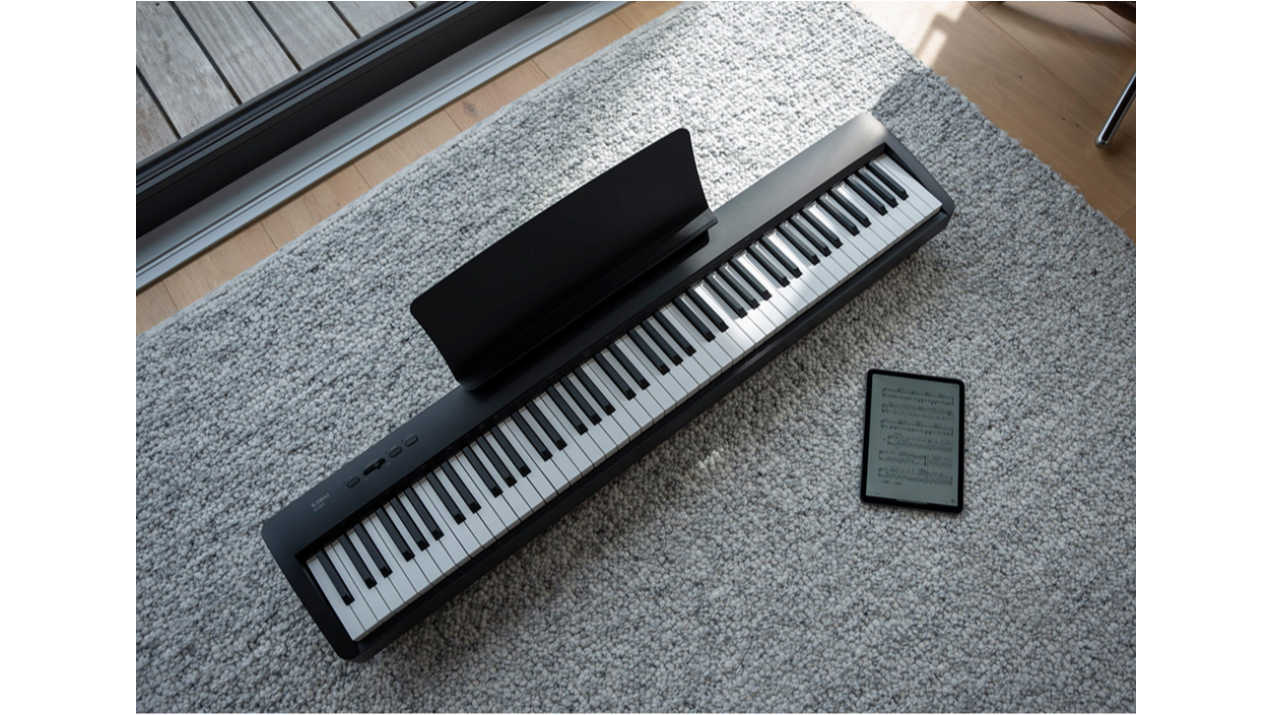
The company’s latest guide is intended for individuals interested in purchasing digital pianos manufactured by Kawai or Roland, two leading brands in the industry. In the resource, Sam Ash highlights differences in key action, acoustics, build, and other factors that can influence sound quality and touch response, as well as how these properties can make the models more suitable for different applications.
More details can be found at https://www.samash.com/spotlight/kawai-vs-roland-which-digital-piano-brand-is-better
Kawai and Roland are well-known brands that have been developing electronic instruments for decades, and both take different approaches to manufacturing digital pianos. For sound technology, Kawai samples each note from its acoustic grand pianos, then employs Harmonic Imaging systems and an SK-EX Rendering engine to make the sounds flow naturally and add realistic string resonance and cabinet vibrations to the notes. The keys are made from solid wood, and they are also weighted, mirroring the feel of a grand piano – musicians who want an instrument that closely emulates its acoustic counterpart may therefore prefer Kawai models.
On the other hand, Roland digital pianos employ PureAcoustic and V-Piano engines to mimic the hammer action and string vibrations of real pianos. The models also come with a full sound library, which is provided in the brand’s ZEN-Core system, allowing musicians to work with an entire repertoire of instruments. The keys are made from a blend of wood and plastic, using hybrid grand action for a more responsive touch, and its speaker systems use cabinet resonance to improve dimensional sound. Finally, Roland is known for its connectivity options, and its digital pianos are compatible with Bluetooth MIDI, USB audio, DAW, and other smart apps, making them ideal for studio recordings.
According to Sam Ash’s guide, Kawai models may be more preferable for classical or solo pianists due to their natural feel and warm, rich tones, while Roland pianos may be favored for jazz music, live performances, sound production, and other applications that require spatial sound and flexibility. Additionally, Roland models often come with built-in lessons and a more beginner-friendly layout for novices, though both brands are suitable for professional playing.
For more information, visit https://www.samash.com/
Sam Ash
278 Duffy Ave
Unit B
Hicksville
New York
11801
United States
Information contained on this page is provided by an independent third-party content provider. XPRMedia and this Site make no warranties or representations in connection therewith. If you are affiliated with this page and would like it removed please contact [email protected]
